Come Arredare un Soggiorno Piccolo: Guida Pratica Stanza per Stanza
Come arredare un soggiorno piccolo con layout intelligenti, mobili salvaspazio, zona pranzo integrata e cucina a vista — idee testate da 15 a 25 mq.
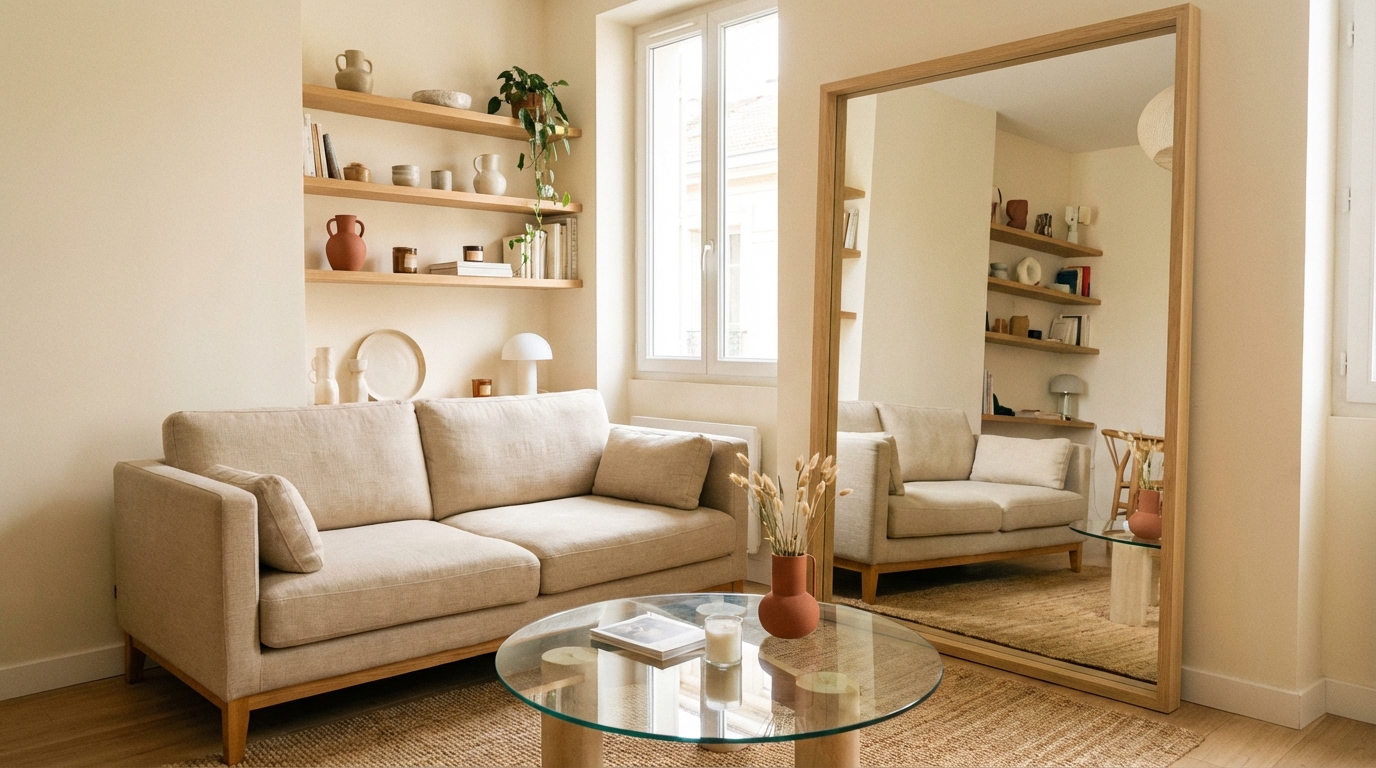
Come arredare un soggiorno piccolo è una questione di strategia, non di fortuna. Con tre mosse — liberare i passaggi, sfruttare l’altezza e scegliere colori chiari — un soggiorno da 15 mq sembra grande quanto uno da 20. Visualizza il tuo progetto con Homeify.
Come Arredare un Soggiorno Piccolo: le Idee che Funzionano Davvero
Il soggiorno è il cuore pulsante dell’abitazione — lo spazio dove si accolgono gli ospiti, si trascorre tempo in famiglia e ci si rilassa dopo una lunga giornata. Quando la metratura è ridotta, la scelta dei mobili e del layout non può essere casuale: deve tenere conto della forma della stanza, della luce naturale, della posizione di porte e finestre e dell’uso quotidiano che fai dello spazio.
Questa guida raccoglie le soluzioni testate stanza per stanza per arredare un soggiorno piccolo in Italia: dalle piante rettangolari tipiche degli appartamenti anni ‘70 ai monolocali moderni da 40 mq, dai soggiorni con zona pranzo integrata alla cucina a vista. Troverai misure concrete in cm, riferimenti a IKEA Italia e Mondo Convenienza, budget realistici e trucchi del mestiere che usano gli interior designer italiani.
L’obiettivo non è far sembrare la stanza più grande di quello che è — è farla funzionare meglio. Un soggiorno da 18 mq ben progettato vale più di un 30 mq disordinato.
Idee di Layout per Ogni Forma di Soggiorno
La prima domanda da farsi non è “quale divano comprare” ma “che forma ha la stanza”. I soggiorni italiani ricadono in quattro tipologie principali e ognuna chiede un approccio diverso.

Soggiorno Quadrato
Un soggiorno quadrato da 15-20 mq sembra il più semplice da arredare e invece è il più insidioso. Il rischio è piazzare divano e poltrone come in un loft americano, creando uno spazio vuoto al centro che spreca metratura.
La soluzione vincente: divano addossato alla parete con la finestra, tavolino tondo o ovale (mai rettangolare nei quadrati), poltrona in diagonale nell’angolo opposto. Un tappeto rotondo da 150-180 cm di diametro unifica visivamente la zona conversazione. Budget divano + tavolino + tappeto: 400-800 € da IKEA Italia.
Soggiorno Rettangolare
La forma più diffusa negli appartamenti italiani. Un soggiorno da 3,5 × 5 m (17,5 mq) è tipico delle case anni ‘70-‘80 e chiede una strategia precisa: il divano va sulla parete lunga, non su quella corta. Questo allunga ulteriormente la percezione dello spazio e libera il passaggio verso le altre stanze.
Se la stanza è molto stretta (sotto i 3 m di larghezza), scegli un divano profondo al massimo 85 cm. Divani più profondi invadono lo spazio di passaggio e fanno sembrare la stanza una corsia d’ospedale.
Mobili per un Soggiorno Piccolo: Compatti e Intelligenti
La scelta dei mobili è dove si vince o si perde la partita del soggiorno piccolo. Due principi guidano ogni acquisto: ogni mobile deve avere almeno due funzioni e ogni centimetro deve essere giustificato.

Divani e Sedute
Il divano giusto per un soggiorno piccolo è un due posti da 160-180 cm di larghezza. I tre posti da 200-220 cm sono troppo ingombranti sotto i 20 mq, e un divano ad angolo ha senso solo se la stanza supera i 22 mq.
Se ricevi spesso ospiti, considera un divano letto con contenitore: IKEA propone modelli come il Friheten (da 299 €) oppure puoi trovare alternative equivalenti da Mondo Convenienza intorno ai 250-350 €. Offrono un posto letto di emergenza senza rubare mq al tuo soggiorno.
Una sola poltrona è meglio di due: meno ingombro, più movimento. Scegliela in un tessuto in contrasto con il divano per creare punto focale.
Tavolini e Complementi
Il tavolino centrale dovrebbe essere lungo due terzi del divano: per un divano da 160 cm, un tavolino da 100-110 cm. Scegli forme rotonde o ovali negli spazi stretti — gli spigoli vivi ingombrano più del necessario. Un tavolino entry-level da IKEA o Maisons du Monde si trova nella fascia 60-130 €.
Sostituisci i tavoli laterali con mensole a parete o con pouf contenitore: liberi 30 × 30 cm di pavimento per ogni tavolino eliminato.
Soluzioni di Contenimento che Liberano il Pavimento
Il segreto per non far sembrare pieno un soggiorno piccolo è semplice: tutto quello che non usi ogni giorno deve sparire dietro un’anta o un cassetto. Oggetti a vista sono oggetti che intasano visivamente lo spazio.

Sfrutta l’Altezza, Non la Larghezza
La regola d’oro del contenimento nei soggiorni piccoli: vai dal pavimento al soffitto. Una libreria modulare alta 240 cm occupa la stessa area a terra di un mobile basso da 80 cm, ma triplica la capacità. IKEA Billy (80 × 202 cm, 65 €) e Besta modulare (125-300 € per composizione) sono i riferimenti italiani più usati per questo tipo di intervento.
Scegli un mix di ante chiuse (60-70%) e mensole aperte (30-40%): le ante nascondono il disordine quotidiano, le mensole mostrano i pezzi che ami.
Mobili con Contenitore Nascosto
Ogni mobile dovrebbe nascondere qualcosa:
- Pouf contenitore — seduta in più quando arriva qualcuno + posto per coperte e riviste (fascia IKEA/Mondo Convenienza, 40-80 €)
- Tavolino con cassetto — telecomandi, caricabatterie, sottobicchieri
- Divano con contenitore integrato — biancheria da letto di emergenza, cuscini stagionali
- Panca sotto la finestra con coperchio — scarpe, borse, riviste (modelli da 100-150 € in IKEA o Mondo Convenienza)
Colori e Pareti che Aprono un Soggiorno Piccolo
Le tonalità chiare riflettono la luce e ampliano visivamente lo spazio: è fisica, non opinione. Ma “chiaro” non significa necessariamente bianco.
I neutri caldi che funzionano meglio nei soggiorni piccoli italiani:
- Bianco antico (non il bianco ottico, che risulta freddo)
- Tortora chiaro — il più amato in Italia, scalda l’ambiente senza chiuderlo
- Sabbia o greige — perfetti per stanze esposte a nord
- Salvia tenue — naturale, rilassante, compatibile con qualsiasi legno
Una sola parete d’accento in un tono più profondo (tortora scuro, salvia media, ottanio diluito) dà carattere senza chiudere la stanza. Scegli la parete che non contiene né la finestra né la porta — di solito quella dietro il divano o quella davanti all’entrata.
Cosa evitare assolutamente:
- Pareti scure su tutti e quattro i lati — il soggiorno diventa un bozzolo soffocante
- Colori saturi e accesi (rosso, arancione brillante, giallo senape) come colore dominante
- Boiserie orizzontali a mezza altezza — spezzano visivamente la parete e abbassano il soffitto percepito
Per una guida completa vedi la nostra guida agli abbinamenti colori pareti.
Soggiorno Piccolo con Cucina a Vista
La combinazione soggiorno + cucina a vista è la realtà di molti monolocali e bilocali italiani sotto i 50 mq. Il trucco per farla funzionare è creare due zone distinte senza aggiungere pareti.

La penisola di separazione è la soluzione più efficace: un bancone lungo 120-150 cm che ospita il piano cottura o il lavello su un lato e tre sgabelli sull’altro. Diventa zona pranzo veloce, punto di lavoro extra e divisorio fisico — tutto in un mobile.
Se la penisola non è possibile, usa un tappeto grande (minimo 200 × 290 cm) sotto la zona living: segna visivamente il confine tra le due aree senza alzare un muro.
Regola cromatica: stessa palette in entrambe le zone. Ante della cucina in tortora chiaro + pareti del soggiorno in sabbia = continuità visiva che fa percepire lo spazio come unico, non come due stanze spezzate.
Soggiorno con Zona Pranzo Integrata
Il pattern “soggiorno + zona pranzo” è tipicamente italiano — si trova in quasi ogni appartamento di città sotto i 70 mq. L’obiettivo è ospitare un tavolo da pranzo per 4-6 persone senza sacrificare lo spazio living.
Le tre regole per farlo bene:
- Il tavolo va sotto la finestra o contro il muro corto, mai al centro della stanza
- Scegli un tavolo allungabile (80 × 120 cm da chiuso, 80 × 180 cm da aperto) — un modello entry-level da IKEA o Mondo Convenienza si trova nella fascia 200-300 €
- Illuminazione separata sulla zona pranzo — una sospensione sopra il tavolo segna visivamente che qui si mangia, non si guarda la TV
Evita i tavoli rotondi fissi nei soggiorni rettangolari: occupano più mq di quanto sembri. Un tavolo rettangolare contro il muro libera il doppio dello spazio.
Illuminazione che Allarga lo Spazio
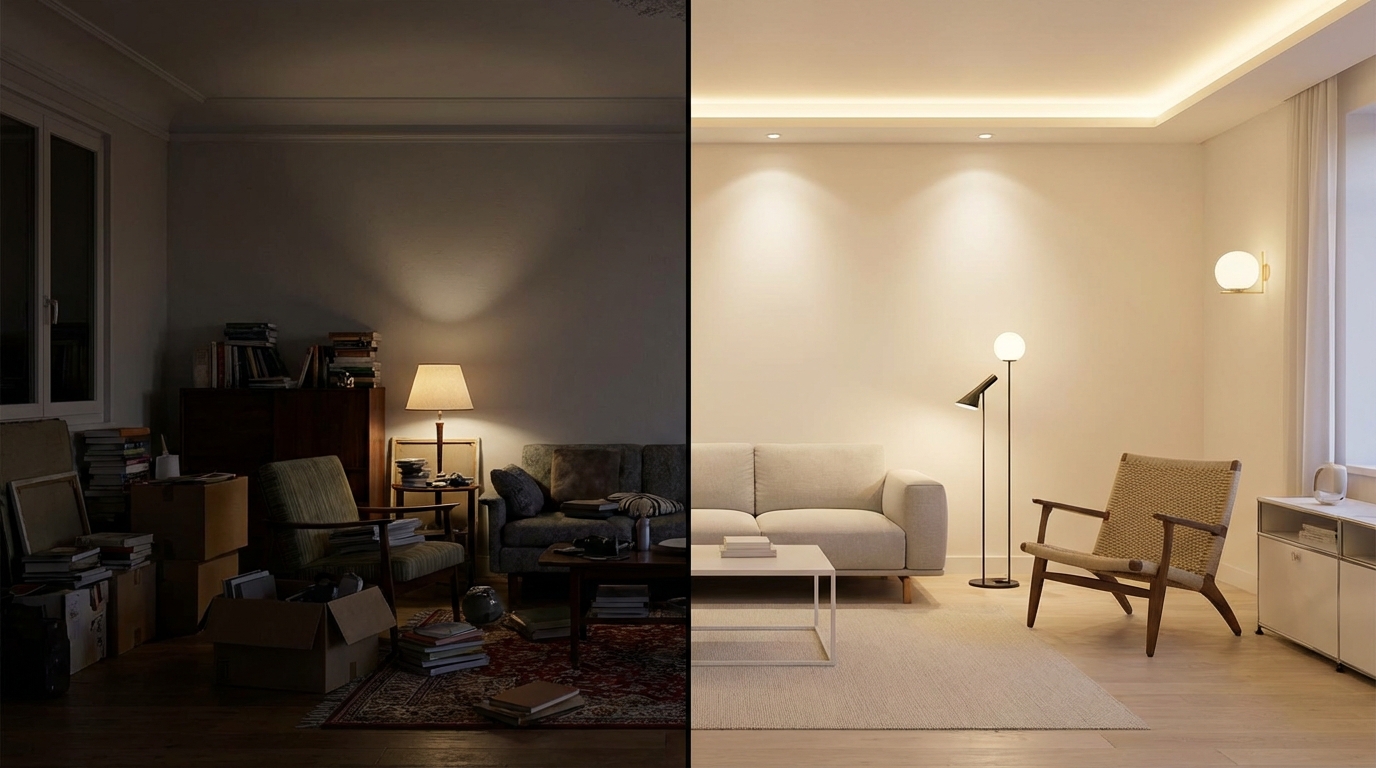
Un soggiorno piccolo ben illuminato sembra sensibilmente più grande. La regola è tre punti luce minimi: luce generale, luce d’atmosfera, luce focale.
- Luce generale — una plafoniera LED a soffitto a 2700K (bianco caldo), mai a 4000K o 6000K (freddo). Budget: 30-80 €
- Luce d’atmosfera — una piantana d’angolo con paralume in lino naturale accanto al divano (Leroy Merlin, 40-80 €)
- Luce focale — una lampada da tavolo su un mobile o una mensola, per creare profondità visiva (20-40 €)
Mai un’unica plafoniera al centro del soffitto: appiattisce la stanza e la fa sembrare uno studio medico.
Specchi: il Trucco del Mestiere più Antico
Gli specchi sono il trucco più semplice ed efficace per allargare visivamente un soggiorno piccolo. Uno specchio grande di fronte alla finestra raddoppia la luce naturale in entrata.

Le dimensioni che funzionano:
- Specchio rotondo 80-100 cm di diametro sopra una consolle o una mensola
- Specchio rettangolare 60 × 180 cm appoggiato al muro (effetto “porta finestra”)
- Due specchi verticali affiancati — raddoppiano la percezione di profondità
Dove metterli:
- Di fronte a una finestra — riflette la luce esterna
- Sopra il divano — riflette il soffitto e allunga visivamente
- In un angolo buio — raddoppia la luce della lampada più vicina
Cosa evitare: specchi rivolti verso il televisore (riflessi fastidiosi), specchi piccoli sparsi su più pareti (leggono caotici), specchi con cornici pesanti (pesano visivamente).
Tessili e Piante per un Soggiorno Accogliente
Il soggiorno non deve essere solo pratico, deve anche far venire voglia di rimanerci. Tessili e piante aggiungono calore senza rubare spazio.
Il set minimo di tessili per un soggiorno piccolo:
- Tappeto 200 × 290 cm sotto la zona living (non più piccolo, sembra un francobollo)
- Tende in lino naturale dal soffitto al pavimento (allungano visivamente la stanza)
- 3-4 cuscini d’accento in due tonalità coordinate
- Un plaid sul bracciolo del divano
Budget totale tessili: 150-300 € da IKEA, Zara Home o Maisons du Monde.
Le piante che stanno bene anche in poca luce:
- Sansevieria — resiste a qualsiasi condizione, forma verticale che non ruba spazio
- Pothos — rampicante da mettere su una mensola alta
- Ficus Lyrata piccolo — un pezzo forte d’effetto in un angolo
- Zamioculcas — resiste alla scarsa luce, effetto architetturale
Errori Comuni negli Arredamenti di Soggiorni Piccoli
Mobili troppo grandi. Un divano tre posti da 220 cm in un soggiorno da 15 mq è l’errore più diffuso. Misura sempre prima di comprare e considera che devi lasciare almeno 60 cm di passaggio intorno a ogni mobile.
Troppi oggetti decorativi. Soglia realistica per un soggiorno piccolo: massimo 5-7 oggetti decorativi visibili in totale. Tutto il resto dietro un’anta o via.
Ignorare la verticalità. Lasciare le pareti vuote sopra i 180 cm è sprecare mq. Sfrutta l’altezza con librerie, mensole sospese, stampe grandi e specchi verticali.
Colori di tendenza estrema sulle pareti principali. Il blu elettrico del 2024 sarà ancora sui tuoi muri nel 2030 se non hai budget per ripitturare. Resta sui neutri caldi.
Comprare senza visualizzare. L’errore più costoso: comprare un divano che poi non sta bene. Fotografa la stanza, caricala su Homeify e testa il divano e il layout prima di pagare.
Soluzioni per il Soggiorno Piccolo a Colpo d’Occhio
| Metratura | Divano consigliato | Tavolino max | Priorità chiave | Stile che funziona |
|---|---|---|---|---|
| Sotto i 12 mq | Due posti 140-160 cm | 60 cm rotondo | Minimalismo radicale | Minimalista |
| 12-18 mq | Due posti 160-180 cm | 90 cm ovale | Contenimento verticale | Scandinavo |
| 18-22 mq | Tre posti compatto 180-200 cm | 110 cm rettangolare | Zonizzazione visiva | Japandi |
| 22-25 mq (open plan) | Divano ad angolo compatto | 120 cm con cassetti | Separazione zone | Mid-Century |
Come Testare il Tuo Soggiorno Piccolo Prima di Comprare
Il problema di arredare un soggiorno piccolo è che ogni errore costa caro. Un divano sbagliato significa 400-800 € buttati e un altro trasloco di un mobile pesante. Una parete ripitturata male significa 100 € di vernice e un weekend perso.
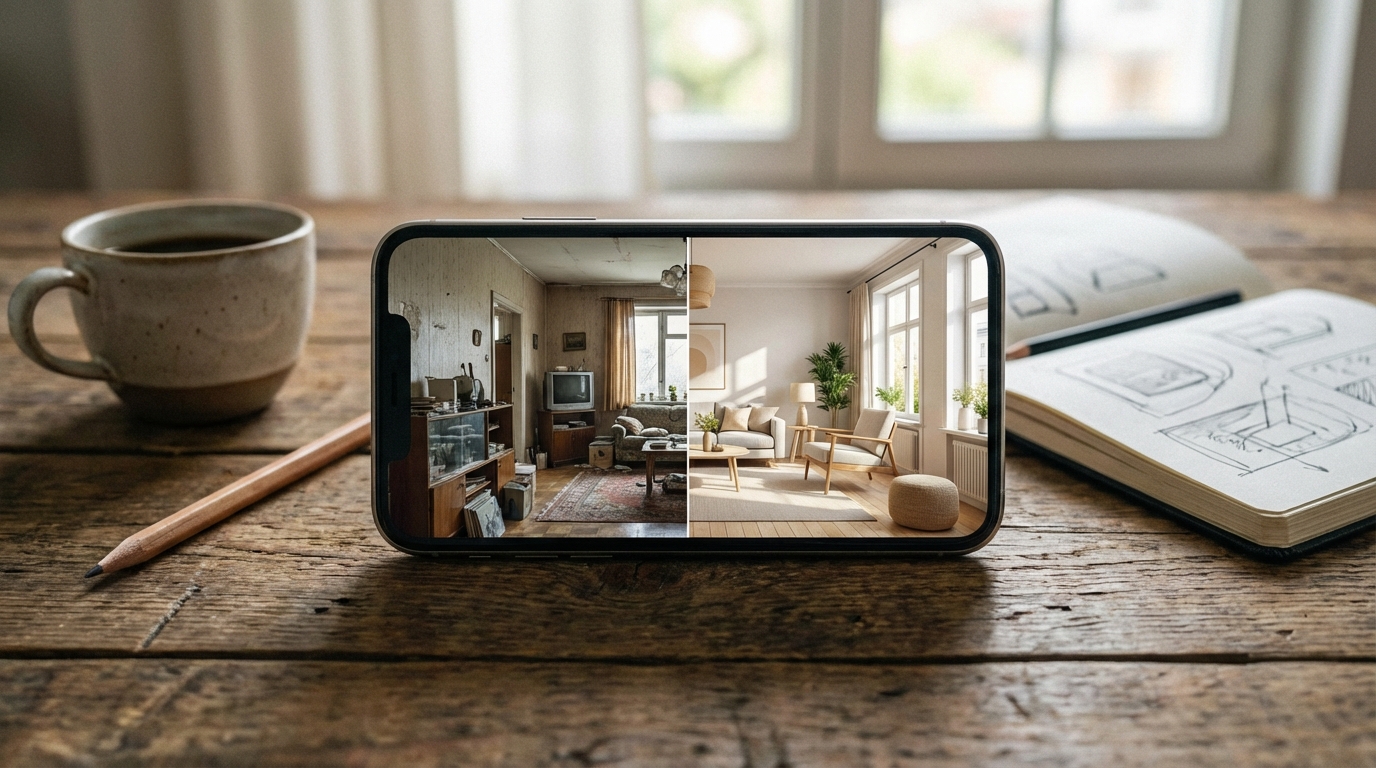
La soluzione: vedi come sarà prima di spendere. Fotografa il tuo soggiorno attuale con il telefono, caricala su Homeify e visualizza 3-5 layout diversi in meno di 2 minuti. Testa il divano ad angolo contro il divano dritto, prova le pareti tortora contro le pareti bianche, confronta la libreria sospesa con quella a terra.
Il costo di un abbonamento annuale (meno di 50 €) è inferiore a un singolo errore di acquisto. E ti dà accesso a oltre 80 stili completi per testare non solo il layout ma anche il look finale — scandinavo, japandi, mid-century, minimalista. Prima di firmare l’ordine su IKEA o su Mondo Convenienza, assicurati che il tuo soggiorno piccolo funzioni davvero.
Domande Frequenti
In un soggiorno da 15-20 mq la parola d'ordine è liberare i passaggi: divano lungo la parete più grande, tavolino rotondo a 40 cm di distanza, poltrona in diagonale nell'angolo opposto. Evita i mobili ingombranti e scegli soluzioni salvaspazio come tavolini allungabili o pouf contenitore. Misura sempre prima di comprare: in Italia i soggiorni tipici sono sotto i 20 mq e ogni centimetro conta.
Le tonalità chiare riflettono la luce e ampliano visivamente lo spazio: bianco antico, tortora chiaro, sabbia, grigio perla, salvia tenue. Evita i colori scuri sulle pareti principali perché chiudono la stanza. Una sola parete d'accento in un tono più profondo (ottanio, terracotta, blu polvere) dà carattere senza togliere respiro. Per approfondire l'abbinamento colori pareti vedi la nostra guida agli abbinamenti colori.
La TV va appesa al muro, non appoggiata su un mobile. Libera almeno 40-60 cm di profondità sul pavimento e abbassa l'altezza visiva dei mobili, dando respiro alla stanza. Posizionala sulla parete opposta al divano, a 2,5-3 metri di distanza, con il centro dello schermo a 110-130 cm da terra. Sotto la TV usa una mensola sottile o lascia la parete libera — niente mobiletto bombato anni '90.
Sfrutta l'altezza, non la larghezza. Una libreria sospesa dal pavimento al soffitto occupa meno spazio percepito di un mobile basso largo e raddoppia la capacità. Altri trucchi del mestiere: pouf contenitore, tavolino con cassetti, divano letto con contenitore integrato, scaffali sopra le porte. Regola d'oro: tutto nascosto, solo 5-7 oggetti decorativi a vista per sezione.
Con Homeify fotografi il tuo soggiorno e lo vedi ridisegnato in oltre 80 stili in meno di 30 secondi — scandinavo, japandi, minimalista. Prima di comprare il divano o di spostare la libreria, testi l'idea sulla tua stanza reale, con la tua luce reale. È il modo più rapido per evitare l'errore più costoso: comprare qualcosa che poi non funziona nello spazio.
Scopri di Più
Questo articolo ti è stato utile?
Scarica
Trasforma qualsiasi stanza con l'intelligenza artificiale — scarica Homeify e inizia a ridisegnare la tua casa gratis.
