
Idee Ingresso Casa
Pavimenti, illuminazione, tappeti e storage — idee pratiche per l'ingresso che rendono il corridoio o l'entrata belli e organizzati.
Le migliori idee per l'ingresso casa combinano un pavimento durevole o un tappeto lavabile, illuminazione stratificata e storage intelligente a portata di mano dalla porta. Con Homeify, testa pavimenti, colori delle pareti e disposizioni dei mobili sulla foto del tuo ingresso prima di comprare qualsiasi cosa.
Perché il tuo ingresso merita attenzione
Il tuo ingresso gestisce più traffico per metro quadro di qualsiasi altra stanza della casa — eppure la maggior parte delle persone lo decora per ultima, se mai. Il risultato? Una pila di scarpe, un muro nudo e le chiavi dell'auto perse da qualche parte sul mobile della cucina.
Un ingresso deliberatamente progettato risolve due problemi in una volta. Primo, crea una zona di atterraggio che assorbe il caos quotidiano: cappotti, borse, scarpe, posta e chiavi tutti in un posto designato. Secondo, definisce il tono visivo per il resto della casa. Gli ospiti formano la loro impressione nei primi 7 secondi dopo aver varcato la soglia — è all'incirca il tempo necessario per scansionare un corridoio.
La buona notizia: non ti serve un ingresso maestoso per farlo funzionare. Anche un metro di corridoio può ospitare una mensola galleggiante, una fila di appendiabiti e uno specchio. Il trucco è trattare il tuo ingresso come uno spazio progettato anziché un vuoto di passaggio tra la porta d'ingresso e il soggiorno.
Nel 2026, le tendenze più forti per l'ingresso puntano su toni caldi naturali — terracotta, salvia e sabbia — abbinati a materiali naturali come rattan, rovere e lino. La cementina geometrica sta tornando come pavimento d'ingresso, e lo storage intelligente — scarpiere a ribalta, panche con contenitore — sta facendo lavorare più duro che mai i piccoli ingressi italiani.

Palette Cromatica dell'Ingresso
Sei palette versatili per l'ingresso — dai neutri ariosi alle pareti d'impatto.
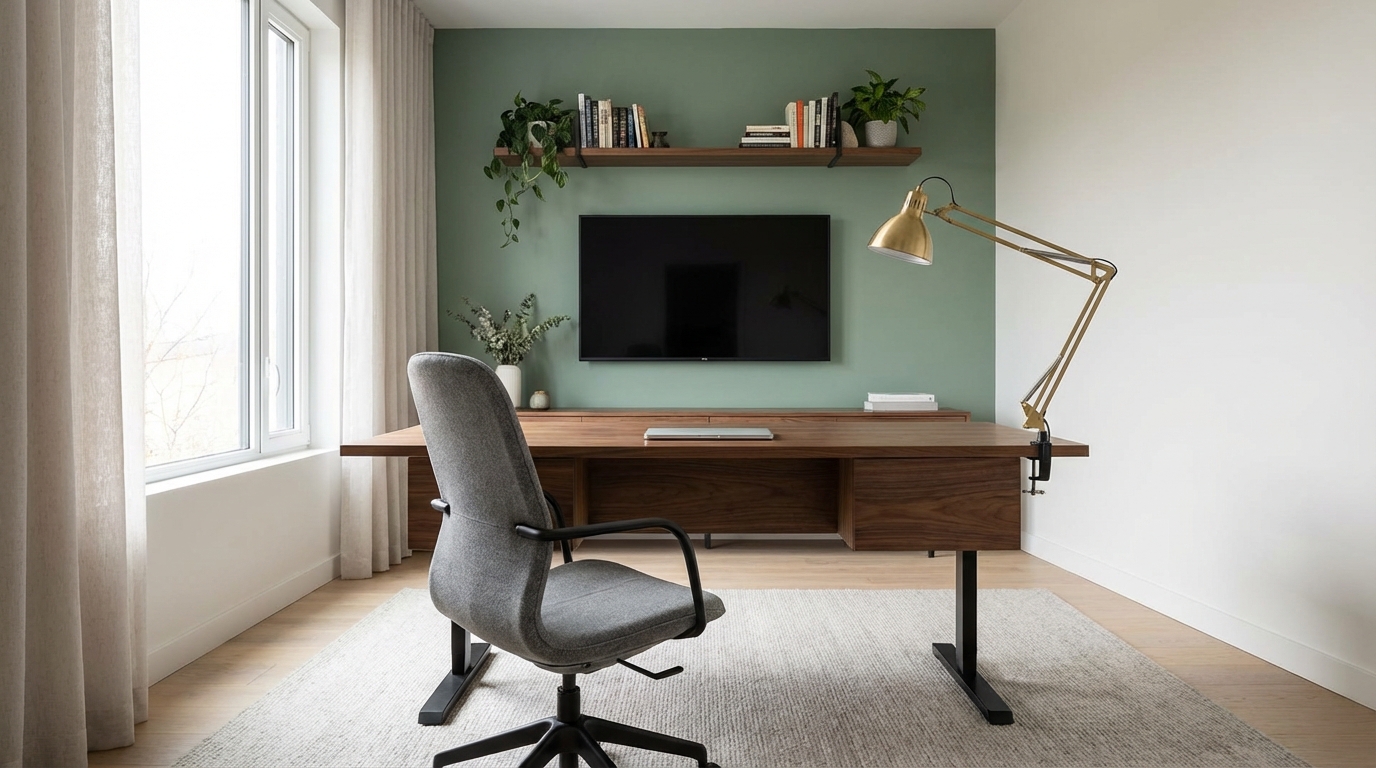
Verde Salvia
Parete accent (30% della palette) — il verde salvia elegante italiano che dà subito carattere all'ingresso senza essere invadente
Bianco Caldo
Pareti neutre e soffitto (25% della palette) — bianco leggermente caldo per bilanciare il verde accent senza competere
Rovere Naturale
Consolle, panca e appendiabiti (20% della palette) — il legno di rovere massello che ancora l'ingresso con materialità naturale
Cementine Geometriche
Pavimento decorativo (15% della palette) — le cementine classiche italiane dal pattern geometrico grigio-crema che danno identità al pavimento
Ottone Antico
Appendiabiti, cornice specchio (7% della palette) — i ganci e le finiture in ottone antico che scaldano la palette sobria
Verde Pianta
Felce o pianta in vaso (3% della palette) — un tocco di verde vivente che ammorbidisce le linee dritte dei mobili
Ispirazione Design per l'Ingresso
Layout dell'ingresso che bilanciano stile e funzione, dai corridoi stretti agli atrii aperti.

Consolle in rovere e specchio rotondo oversize in un ingresso sobrio

Piccolo ingresso con appendiabiti a muro e panca salvaspazio

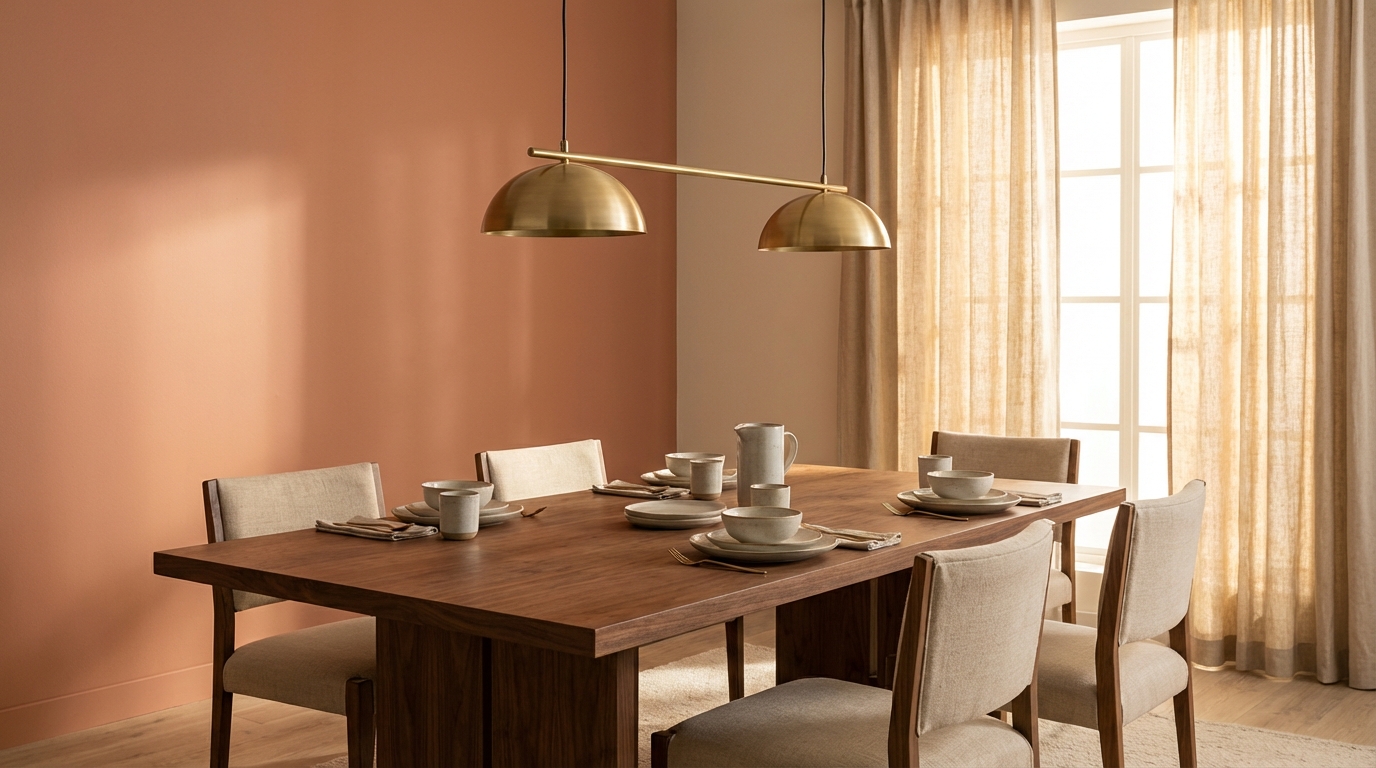
Parete accent terracotta e consolle minimalista in un ingresso moderno

Cementine italiane e ceste in rattan per un ingresso autentico

Ingresso stretto organizzato con mensole verticali e specchio allungato

Applique in ottone e tappeto corridoio per un ingresso accogliente
Consigli di Design per l'Ingresso
Usa uno specchio oversize
Il più veloce upgrade per qualsiasi ingresso è uno specchio rotondo grande — <strong>almeno 80 cm di diametro</strong> — che raddoppia la profondità percepita del corridoio. Posizionalo sulla parete di fronte all'entrata per catturare immediatamente il tuo riflesso. Se lo metti di fronte a una finestra o a una fonte di luce, moltiplica la luce naturale attraverso lo spazio.
Consolle stretta al posto di un mobile
Una consolle in legno massello (<strong>profondità massima 30 cm</strong>) funziona anche nel corridoio più stretto. Appoggia sopra un vassoio per le chiavi, un cesto per sciarpe sotto, e un vaso o una pianta. In 30 cm di profondità hai creato una stazione ingresso completa e funzionale che sostituisce un mobile tradizionale ingombrante.
Appendiabiti a muro a 160 cm di altezza
Una barra appendiabiti a muro all'altezza giusta (160 cm dal pavimento) è più pratica di un attaccapanni a stelo che occupa spazio al centro del corridoio. Aggiungi sotto una panca bassa — <strong>40-45 cm di altezza</strong> — per sedersi a togliere le scarpe, e sotto la seduta ceste o un ripiano chiuso per nascondere le calzature. Zero scarpe a terra.
Una parete accent calda
Il colore è il modo più veloce per trasformare un ingresso — e il più economico. Una singola parete in verde salvia, terracotta, blu notte o giallo ocra richiede un pomeriggio di lavoro e <strong>meno di 50 euro di vernice</strong>, ma ridefinisce completamente lo spazio. Se l'ingresso è stretto, dipingi solo la parete di fondo per creare profondità prospettica.
Illuminazione stratificata, mai una sola plafoniera
Una singola plafoniera rovina l'atmosfera. Sostituiscila con una combinazione di sospensione o applique per la luce ambientale, più una striscia LED lungo il battiscopa per l'accento. Punta su lampadine a <strong>2700-3000K</strong> — qualsiasi cosa sopra i 4000K sembra un corridoio d'ospedale. Uno specchio retroilluminato LED fa doppio servizio se l'ingresso manca di luce naturale.
Pavimento in cementine per carattere italiano
Le cementine (o piastrelle encaustiche) sono la firma italiana dell'ingresso elegante. I loro pattern geometrici in tonalità smorzate — grigio, crema, salvia, blu Delft — resistono al traffico pesante dell'entrata e aggiungono carattere artigianale che nessun parquet può eguagliare. Se il pavimento esistente è neutro, un tappeto a runner in cementine stampate sotto la consolle dà lo stesso effetto con minor impegno.
Illuminazione e specchi: far sembrare più grandi i piccoli spazi
I due upgrade più veloci per qualsiasi ingresso sono luce e riflessione. Un singolo specchio ben posizionato raddoppia la profondità percepita di un corridoio stretto — e se lo posizioni di fronte a una finestra o a una fonte di luce, moltiplica la luce naturale attraverso lo spazio.
Per gli specchi, vai grande: uno specchio a piedi o uno specchio rotondo oversize (80 cm di diametro o più) ha un impatto maggiore di uno piccolo decorativo. Posizionalo all'altezza degli occhi sulla parete che affronti entrando così cattura il tuo riflesso immediatamente.
L'illuminazione ha bisogno di strati. Sostituisci una singola plafoniera con una combinazione di sospensione o applique per la luce ambientale, più una striscia LED lungo il battiscopa per l'accento. Punta a lampadine a 2700-3000K — qualsiasi cosa sopra i 4000K sembra un corridoio d'ospedale. Se il tuo corridoio manca completamente di luce naturale, uno specchio retroilluminato con LED integrato svolge un doppio compito.

Storage ingresso che funziona davvero
La sfida più grande nel design dell'ingresso non è l'estetica — è contenere la valanga quotidiana di cose. La soluzione è dare a ogni oggetto una casa a portata di mano dalla porta d'ingresso.
Parti da una barra appendiabiti a 160 cm di altezza per cappotti e borse. Sotto, una panca bassa (40-45 cm di altezza) ti permette di sederti per togliere le scarpe — fondamentale nelle case italiane dove le scarpe da esterno si tolgono sulla porta. Sotto la seduta, usa ceste abbinate o un ripiano chiuso per riporre le scarpe fuori vista.
Per chiavi, posta e piccoli oggetti, una mensola a muro con vassoio integrato a 120 cm cattura tutto. Montala accanto alla porta, non attraverso la stanza, così prendi le chiavi in un solo movimento uscendo.
Negli appartamenti dove l'ingresso fa anche da corridoio, il verticale è il tuo amico: un sistema pegboard, una libreria alta stretta o cubotti impilati usano l'altezza del muro invece dello spazio a pavimento. L'obiettivo è zero oggetti a terra.

Colore e texture: definire l'atmosfera dalla porta
Il colore è il modo più veloce per trasformare un ingresso — e il più economico. Una singola parete accent in una tonalità satura richiede un pomeriggio di lavoro e meno di 50 euro di vernice, ma ridefinisce completamente lo spazio.
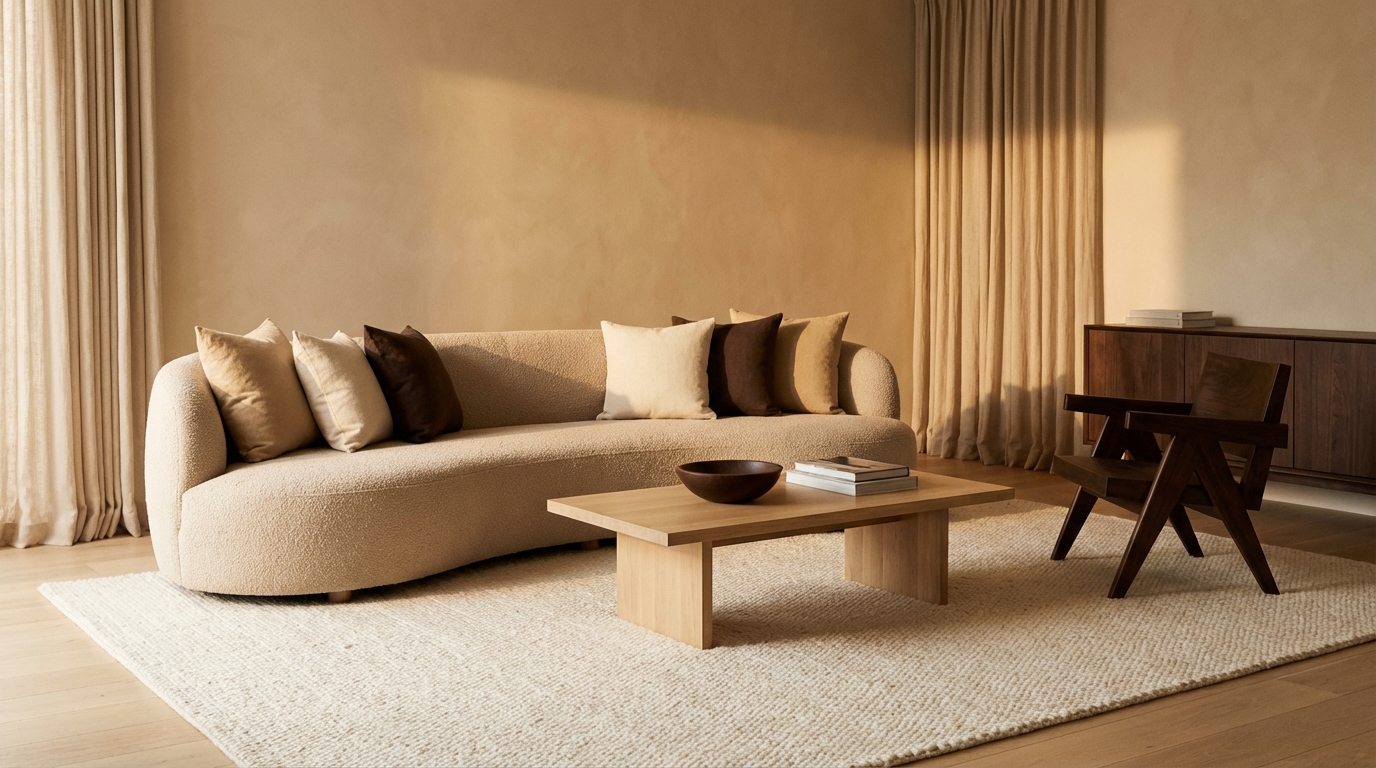
La palette 2026 per i corridoi italiani tende al caldo e al naturale: terracotta, argilla, verde salvia e fungo stanno sostituendo i grigi freddi degli anni precedenti. Se ami i neutri terrosi, guarda come funzionano in un soggiorno beige — lo stesso calore si traduce magnificamente in un ingresso. Se sei esitante sul colore audace, inizia dall'interno della porta d'ingresso — è una superficie contenuta che crea un momento sorpresa quando la chiudi dietro di te.
La texture aggiunge la profondità che la vernice piatta non può. Un runner in iuta tessuta ancora il pavimento e assorbe il suono. Ceste in rattan o vimini ammorbidiscono le linee dure e aggiungono calore — una firma dello stile japandi che funziona perfettamente nei corridoi stretti. Pannelli in legno sul terzo inferiore di una parete (alto 90 cm) proteggono dai graffi aggiungendo interesse architettonico.
Per chi affitta e non può dipingere, la carta da parati rimovibile è una svolta. Un singolo pannello di stampa botanica o geometrica dietro una consolle crea un punto focale che si stacca pulito quando ti trasferisci. Abbinalo a una pianta — una sansevieria o un potos prosperano nei corridoi poco illuminati — e l'ingresso sembra vivo anziché di passaggio.

Domande Frequenti
Quattro mosse essenziali: una consolle stretta in legno, uno specchio rotondo oversize, una parete accent di colore caldo e illuminazione stratificata. Aggiungi un tappeto corridoio e una pianta e hai un ingresso elegante in meno di un weekend. Il segreto è trattare l'ingresso come uno spazio progettato, non come un corridoio di passaggio.
In un piccolo ingresso (meno di 2 mq), verticalizza tutto: appendiabiti a muro invece di attaccapanni a stelo, mensole galleggianti invece di consolle, specchio alto invece di largo. Una panca stretta 40 cm dà seduta e contenitore sotto. Parete accent verticale per allungare visivamente il corridoio. Zero mobili a terra al centro — devono stare contro le pareti.
Le cementine (piastrelle encaustiche) sono la scelta italiana classica — pattern geometrici in colori smorzati che resistono al traffico e aggiungono carattere. Alternative moderne: gres porcellanato effetto pietra, pavimento vinilico di qualità, parquet laminato resistente. Evita moquette e tappeti fissi — diventano sporchi velocemente e trattengono umidità dalle scarpe.
Con Homeify, scatta una foto del tuo ingresso attuale e testa colori alle pareti, tipologie di mobili e pavimenti in oltre 80 stili in meno di 30 secondi. Prova una parete salvia, una consolle in legno o cementine prima di comprare qualsiasi cosa.
Questo articolo ti è stato utile?
Scarica
Trasforma qualsiasi stanza con l'intelligenza artificiale — scarica Homeify e inizia a ridisegnare la tua casa gratis.