
Soggiorno Beige: Idee e Palette
Dal sabbia caldo al greige freddo — palette esperte, mobili e segreti di styling per un soggiorno beige che non è mai banale.
Un soggiorno beige riesce quando stratifichi almeno quattro tonalità dal panna al tortora e carichi ogni superficie di texture — bouclé, lino, iuta. Con Homeify, visualizza queste combinazioni sulla foto del tuo salotto prima di comprare qualsiasi cosa.
Perché scegliere un soggiorno beige?
Un soggiorno beige è la base più perdonante dell'interior design — abbastanza calda da sembrare accogliente, abbastanza discreta da lasciare che mobili e texture siano protagonisti. Diversamente dal bianco, che può sembrare clinico, o dal grigio, che tende al freddo, il beige avvolge la stanza in un calore silenzioso che funziona dal caffè del mattino alle serate con gli amici. È la fondazione di quello che i designer oggi chiamano l'estetica del "quiet luxury".
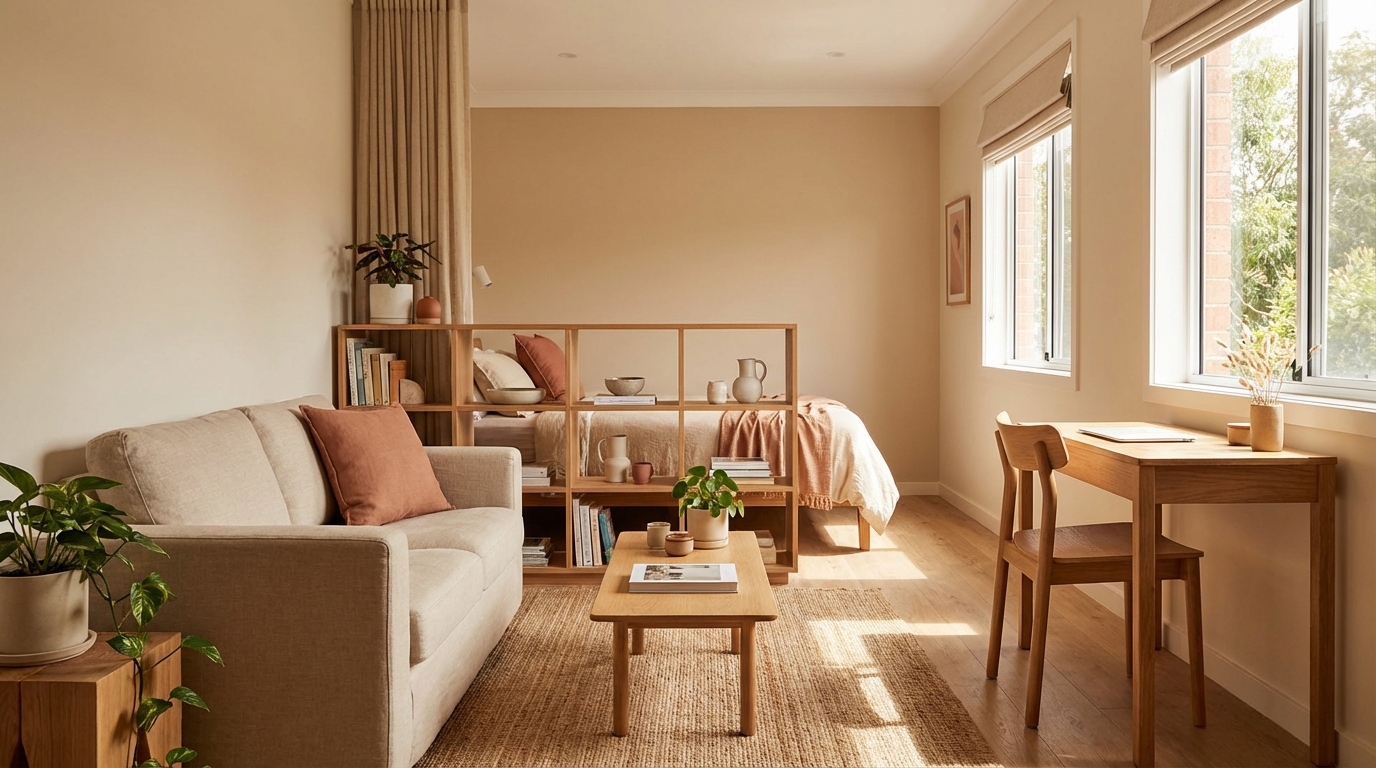
Il segreto di un soggiorno beige che sembri ricco e non insipido è la stratificazione. Combina almeno quattro tonalità — dal panna sul soffitto al tortora intenso del divano — e carica ogni superficie di texture: bouclé, lino, lana, iuta e pelle. Questa profondità tonale è esattamente ciò che separa uno spazio curato da un designer da un salotto beige che sembra semplicemente incompiuto. Con la visualizzazione AI di Homeify, puoi testare queste combinazioni nella tua stanza prima di impegnarti anche solo su un cuscino.

Palette Cromatica del Soggiorno Beige
Sei toni essenziali per costruire il tuo soggiorno beige — dalle pareti agli accenti, ogni tonalità ha il suo ruolo.
Sabbia Calda
Colore primario delle pareti (40% della palette) — la base sabbia calda che crea un effetto avvolgente nei soggiorni esposti a sud
Panna
Soffitto e cornici (20% della palette) — illumina l'ambiente conservando il calore delle tonalità beige circostanti
Greige
Parete accent e tessili (15% della palette) — il cugino freddo del beige che aggiunge profondità senza rompere l'armonia neutra
Tortora
Mobili d'ancoraggio (10% della palette) — radica la stanza con un tono terroso intenso su divani e poltrone
Cammello
Pelle e accenti caldi (10% della palette) — introduce un calore dorato attraverso una poltrona cognac o un cesto intrecciato
Bianco Lino
Tende trasparenti e tessuti morbidi (5% della palette) — diffonde la luce mantenendo la stratificazione tonale
Galleria Ispirazione Soggiorno Beige
Sei modi per decorare un soggiorno beige — dal comfort avvolgente al minimalismo moderno.

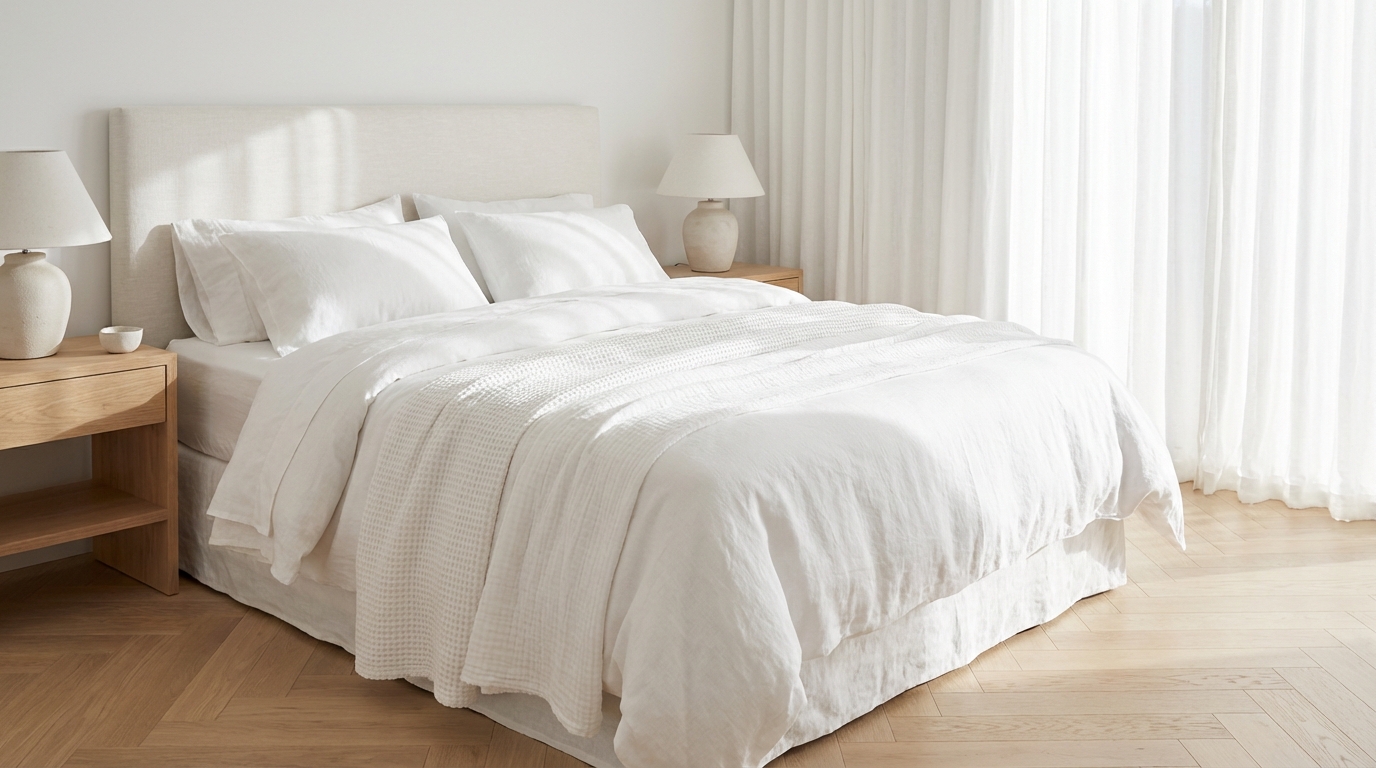
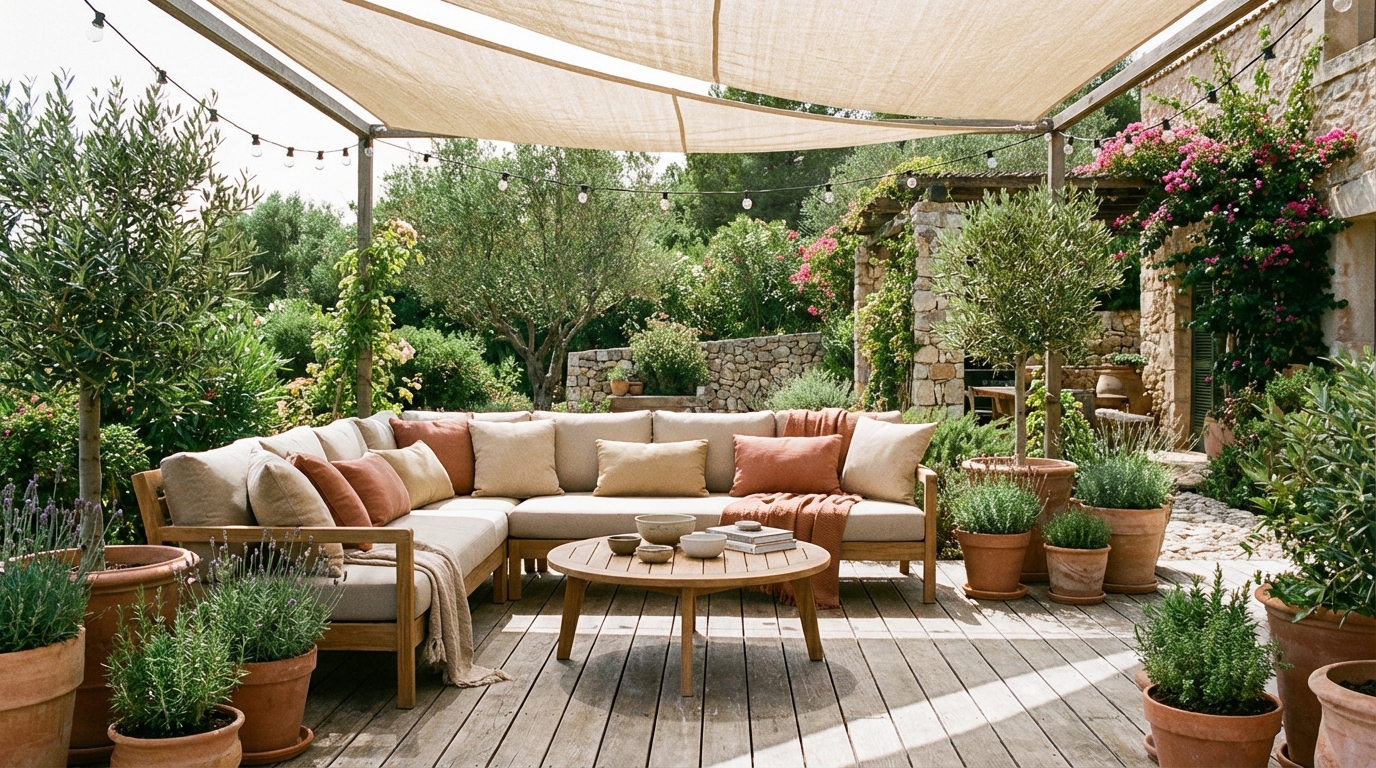
Divano bouclé che ancora una palette beige calda nel soggiorno

Neutri stratificati dal panna al tortora in un soggiorno beige

Tonalità grigio e beige per un'atmosfera avvolgente

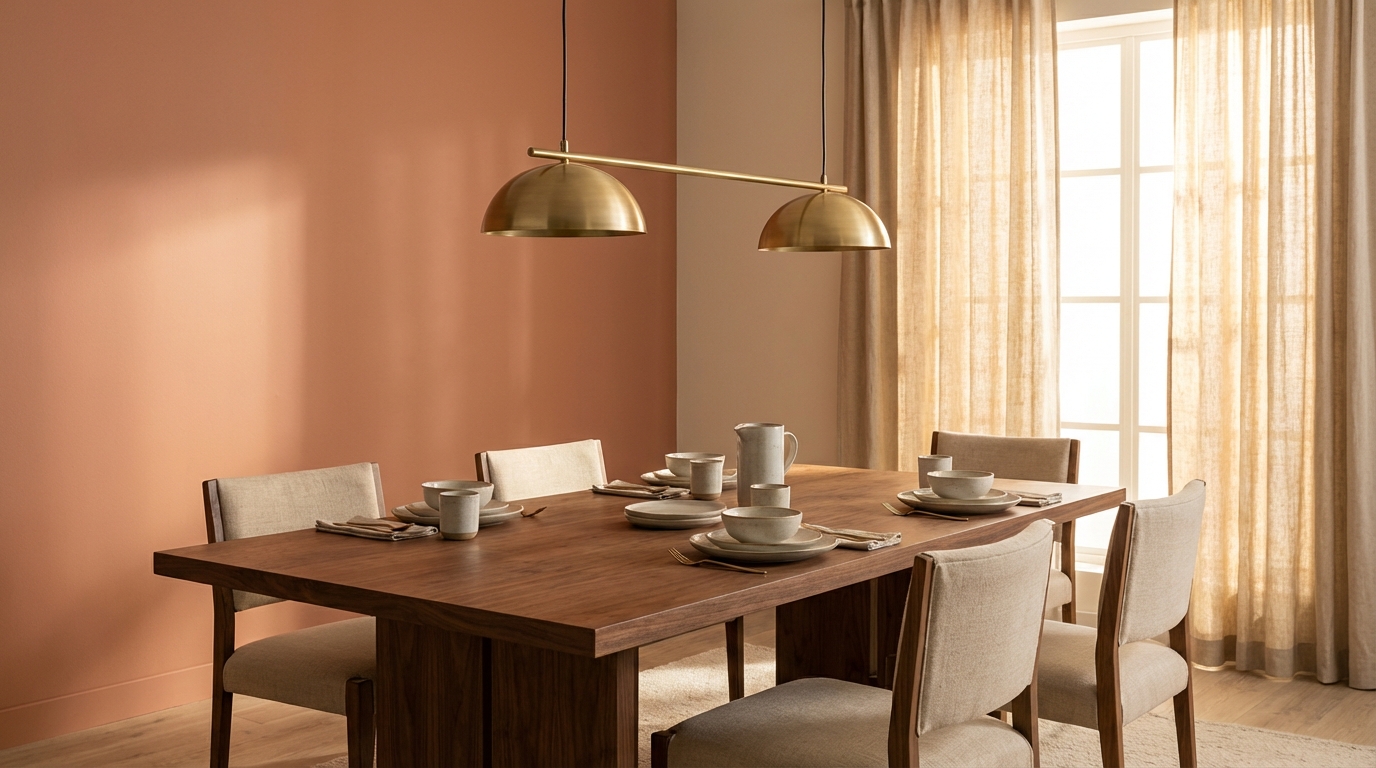
Accenti in ottone che riscaldano un angolo lettura beige

Tocchi di terracotta contro uno sfondo color sabbia

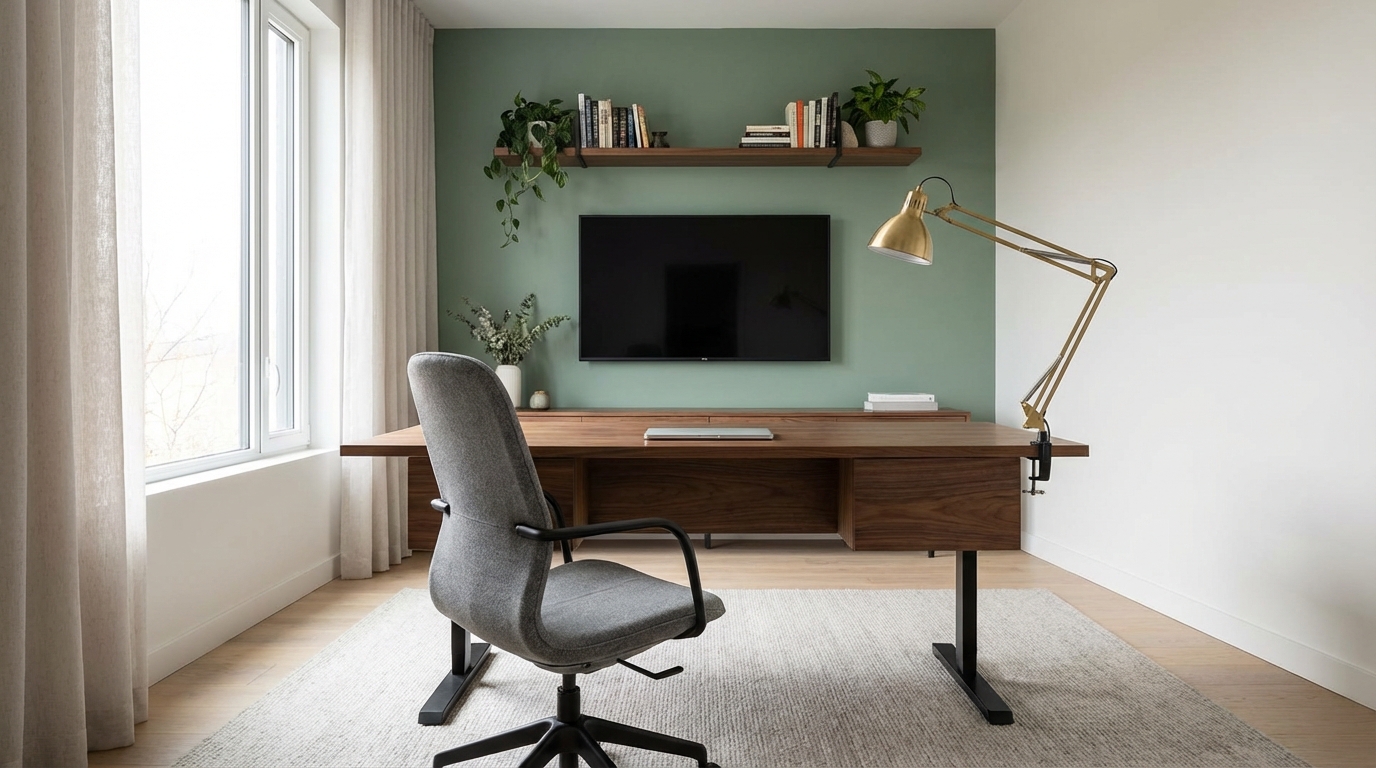
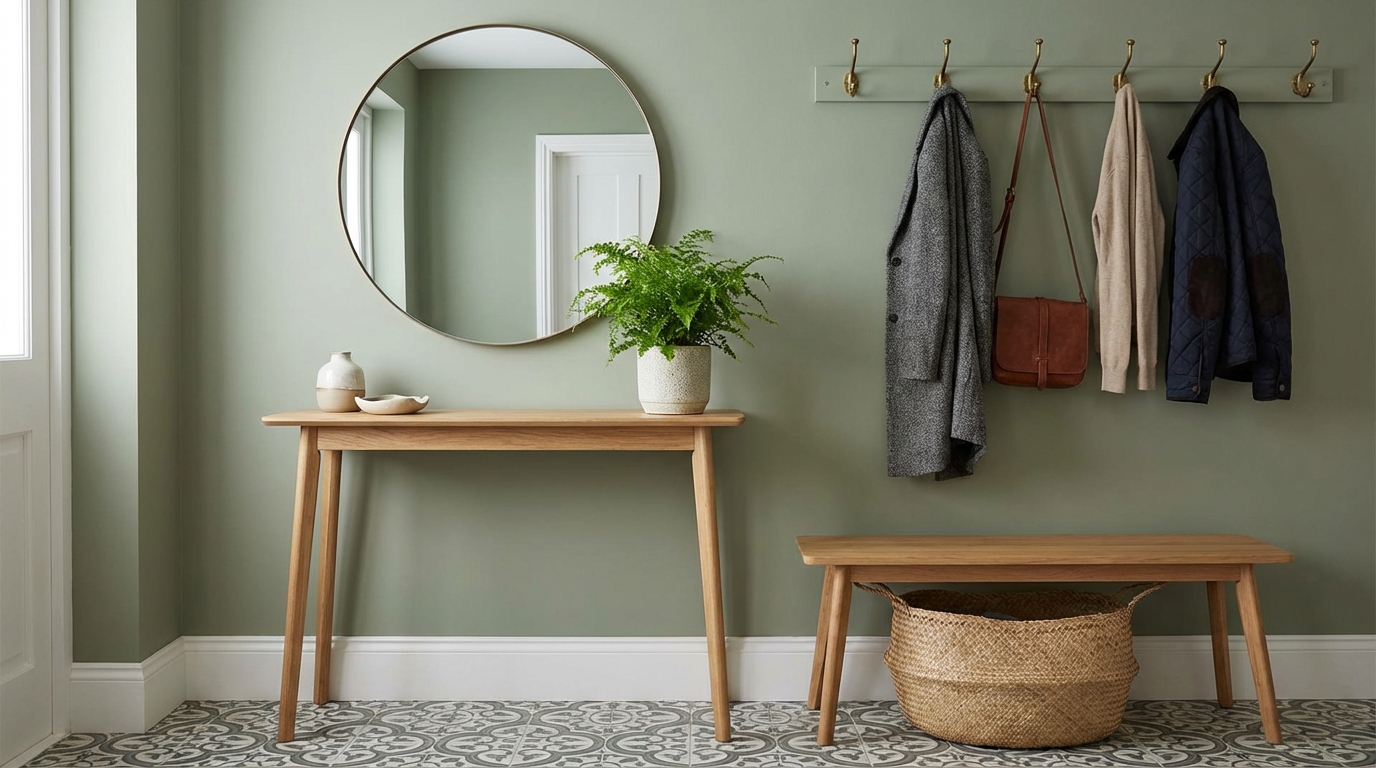
Verde salvia che solleva un interno beige minimalista
Consigli di Design per il Soggiorno Beige
Stratifica almeno quattro tonalità
Un singolo beige risulta piatto. Crea profondità combinando pareti color panna, un divano sabbia, cuscini tortora e una poltrona in pelle cammello. Questo gradiente tonale genera una ricchezza visiva che un beige unico non riesce mai a raggiungere.
Punta tutto sulla texture
In un soggiorno beige la texture fa più di qualsiasi colore. Abbina una poltrona in bouclé a tende in lino, un plaid in lana grezza e un tappeto in iuta. Ogni materiale cattura la luce in modo diverso e mantiene viva la palette monocroma dalla mattina alla sera.
Usa solo metalli caldi
Lampade in ottone, cornici dorate e maniglie in rame spazzolato si sposano perfettamente con il beige. Cromature e argenti introducono un contrasto freddo che combatte il calore che stai costruendo. Una sola lampada da terra in ottone può trasformare l'intera atmosfera della stanza.
Ancora con un pezzo in legno massello
Ogni soggiorno beige ha bisogno di un elemento radicante. Un tavolino in noce, una consolle in rovere o una credenza in teak impediscono allo spazio di sembrare fluttuante. Scegli pezzi con venature visibili — aggiungono un carattere che il legno laccato non può replicare.
Usa le piante come accento principale
Monstera, ficus lyrata e potos ricadenti sono i migliori accenti in un soggiorno beige. Il loro verde profondo aggiunge vita senza introdurre una palette concorrente. Raggruppa tre piante di altezze diverse vicino alla finestra per il massimo impatto.
Adatta il beige alla luce della stanza
I soggiorni esposti a sud si illuminano con toni sabbia caldi come #D4C5A9. Gli spazi esposti a nord hanno bisogno di tonalità greige più fredde come #B8AFA7 per non apparire fangose. Testa il tuo colore alle 10 del mattino e alle 16 — il beige cambia drasticamente con l'angolazione della luce naturale.
Scegliere il beige giusto per le pareti del soggiorno
Non tutti i beige si comportano allo stesso modo. I toni sabbia caldi con sottotoni gialli — come Sandy Brown di Benjamin Moore o Joa's White di Farrow & Ball — prosperano nei soggiorni esposti a sud, dove la luce pomeridiana amplifica il loro bagliore dorato. Negli spazi esposti a nord, le stesse tonalità possono diventare fangose. Opta invece per toni greige (grigio-beige) come Soft Stone di Dulux o un bianco lino freddo che cattura la luce disponibile senza ingiallire.
Il test dell'esposizione è semplice: dipingi un ampio campione sulla parete più luminosa e su quella più buia, poi osservalo in tre momenti diversi della giornata. Il beige cambia più di qualsiasi altro neutro — una tonalità che sembra perfetta a mezzogiorno può diventare rosa o verde alle 18. Se vuoi certezza prima di impegnarti, l'AI di Homeify può simulare diverse tonalità di vernice beige direttamente sulla foto delle pareti del tuo soggiorno.

Mobili e materiali per un soggiorno beige
La spina dorsale di un soggiorno beige è un divano generoso in bouclé o lino, tra il panna e l'avena. Evita di abbinare tutto allo stesso modo — accostalo a una poltrona in pelle cognac e a un tavolino in noce o rovere per introdurre calore e contrasto. Cesti portaoggetti in rattan e un tappeto pesante in iuta completano la narrazione dei materiali naturali senza aggiungere un solo colore in competizione.
Per i tessili, ragiona a strati: tende trasparenti in lino, un plaid in lana di peso medio, cuscini in velluto tortora e greige, e una coperta in cotone tessuta ripiegata sul bracciolo. Ogni materiale riflette la luce in modo diverso, ed è così che una stanza a colore unico evita di sembrare monotona. Salta completamente le finiture lucide — le texture opache, spazzolate e grezze sono ciò che rende il beige intenzionale anziché accidentale.

Styling e accessori per uno spazio beige
Gli accessori sono il punto in cui un soggiorno beige trova la sua personalità. Inizia dalle ceramiche: un vaso fatto a mano in grès grezzo, una ciotola in ceramica texturizzata sul tavolino e una coppia di portacandele in crema opaca. Queste forme organiche rompono le linee dritte dei mobili senza aggiungere rumore visivo. Pampas essiccata o rami di eucalipto aggiungono altezza e morbidezza in un istante.
Per i quadri, scegli pezzi con toni terrosi caldi — stampe astratte in terracotta, sabbia e verde salvia funzionano magnificamente contro pareti beige. Incornicia in rovere naturale o ottone sottile per una parete galleria che sembra collezionata, non da catalogo. Il tocco finale è l'illuminazione: sostituisci le plafoniere con una lampada da terra ad arco in ottone e una coppia di lampade a luce calda da tavolo impostate a 2700K. È questo bagliore ambrato che trasforma un soggiorno beige dalla calma diurna al comfort avvolgente serale.

Domande Frequenti
I toni sabbia caldi con sottotoni gialli sono la scelta più sicura per un soggiorno — appartenenti alla famiglia dei sand e degli ivory, si adattano a qualsiasi arredamento. Vanno benissimo nelle stanze esposte a sud, dove amplificano la luce pomeridiana. Nei soggiorni esposti a nord conviene virare su un greige più freddo per evitare toni fangosi. Testa sempre il colore in diversi momenti della giornata prima di dipingere.
Gli accenti più sicuri sono terracotta, verde salvia e tortora intenso — tutti toni terrosi che rinforzano il calore. Aggiungi metalli caldi come ottone e rame per le finiture. Per un approfondimento sugli abbinamenti dei toni neutri, consulta la nostra guida alle combinazioni di colori.
Parti da pareti beige calde e stratifica tessili in greige — cuscini, plaid e un tappeto — per fare da ponte tra beige e grigio senza stonare. Un soggiorno grigio e beige funziona quando mantieni entrambi i toni smorzati e aggiungi calore con lampade in ottone e legno naturale. Evita il grigio puro freddo; opta per mescolanze greige che appartengono alla stessa famiglia calda.
Con Homeify, scatta una foto del tuo soggiorno attuale e vedilo trasformato con palette beige in oltre 80 stili di design in meno di 30 secondi. Testa tonalità di vernice, disposizioni dei mobili e texture — tutto dal tuo telefono.
Questo articolo ti è stato utile?
Scarica
Trasforma qualsiasi stanza con l'intelligenza artificiale — scarica Homeify e inizia a ridisegnare la tua casa gratis.