
Sala da Pranzo Moderna: Idee
Decorazione a parete, illuminazione, mise en place e palette cromatiche — tutto quello che ti serve per trasformare la sala da pranzo in uno spazio per cui vale la pena riunirsi.
Il segreto di una sala da pranzo riuscita? Tre scelte: un lampadario sospeso a 75-85 cm sopra il tavolo, una parete accent calda e un centrotavola permanente. Con Homeify, visualizza colori, luci e arredi sulla foto della tua sala.
La sala da pranzo merita più di un ripensamento
La maggior parte delle sale da pranzo viene decorata per ultima e amata meno. Un tavolo, qualche sedia, magari un lampadario arrivato con l'appartamento — fatto. Ma la sala da pranzo è l'unico spazio in casa progettato specificamente per riunirsi. È dove accadono i compleanni, dove i pranzi domenicali si allungano per tutto il pomeriggio, dove una cena del martedì può diventare memorabile con la giusta atmosfera.
Il segreto per una sala da pranzo che venga davvero usata è progettarla con la stessa intenzionalità che riservi al soggiorno. Significa una palette cromatica coesa, illuminazione che lusinga sia il cibo che i volti, un tavolo che si adatta alla tua vita reale (non solo alla tua fantasia di cena per dodici) e pareti che fanno più che sostenere il soffitto. Con la visualizzazione AI di Homeify, puoi testare colori delle pareti, disposizioni di mobili e stili d'arredo direttamente sulla foto della tua sala da pranzo — prima di spostare una sola sedia.

Palette Cromatica della Sala da Pranzo
Sei toni che lavorano insieme dalla parete al tavolo — abbastanza caldi per cene a lume di candela, abbastanza freschi per brunch del weekend.
Terracotta Caldo
Parete accent (25% della palette) — il tono terracotta italiano che ancora la zona pranzo e crea atmosfera mediterranea calda
Noce Scuro
Tavolo e mobili in legno (25% della palette) — il legno di noce massiccio tradizionale italiano che comunica solidità e tempo
Lino Naturale
Sedie imbottite e tende (20% della palette) — lino color crema per imbottiture che ammorbidisce il contrasto con la parete accent
Bianco Panna
Pareti neutre (15% della palette) — le altre pareti in panna caldo per bilanciare la parete accent senza competere
Ottone Spazzolato
Lampadario e dettagli metallici (10% della palette) — la sospensione in ottone iconica della sala da pranzo italiana sopra il tavolo
Verde Oliva
Accenti vegetali (5% della palette) — un ramo d'ulivo in vaso o un centrotavola di verde stagionale per vita organica
Ispirazione Decor Sala da Pranzo
Sei idee per la sala da pranzo — dalla semplicità scandinava al calore rustico italiano.

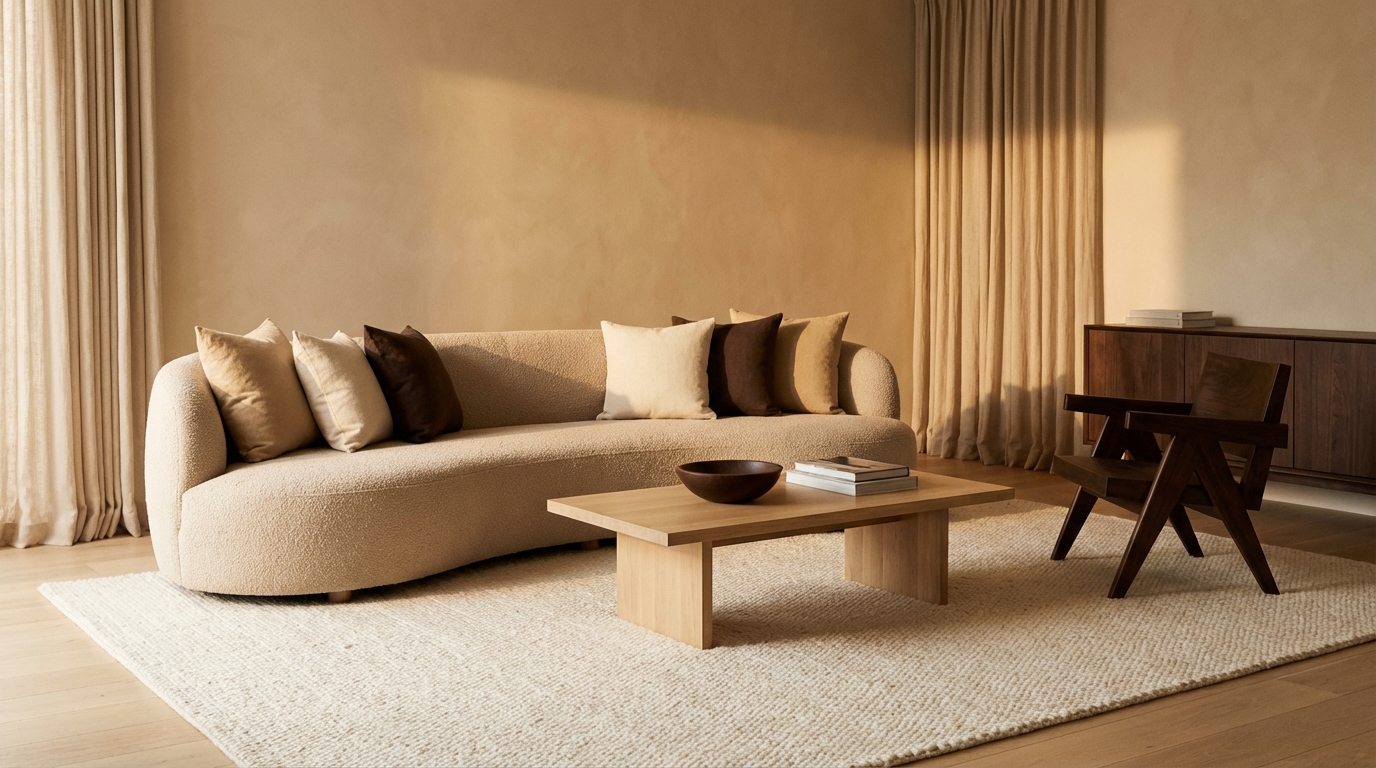
Tavolo in noce e sedie imbottite in lino naturale

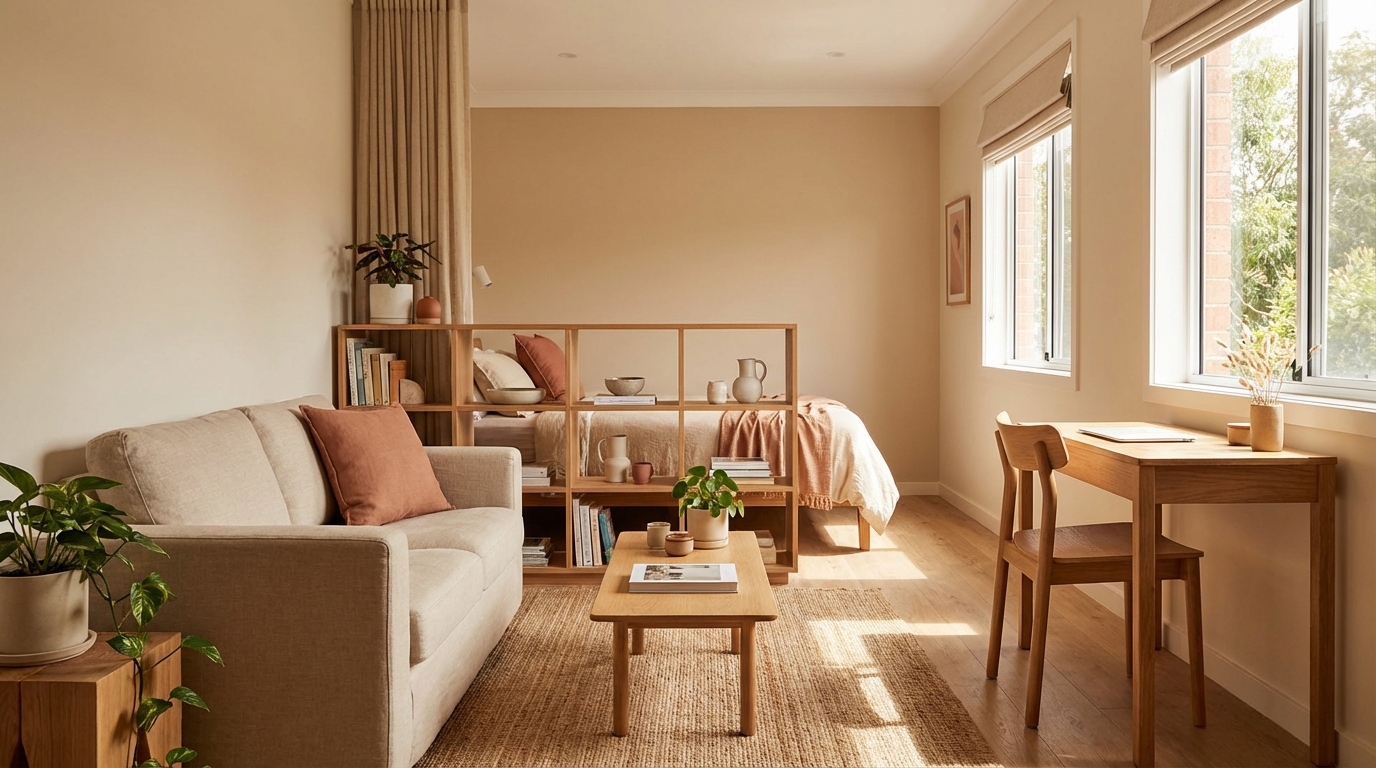
Open space con sala da pranzo e salotto separati visivamente dal tappeto

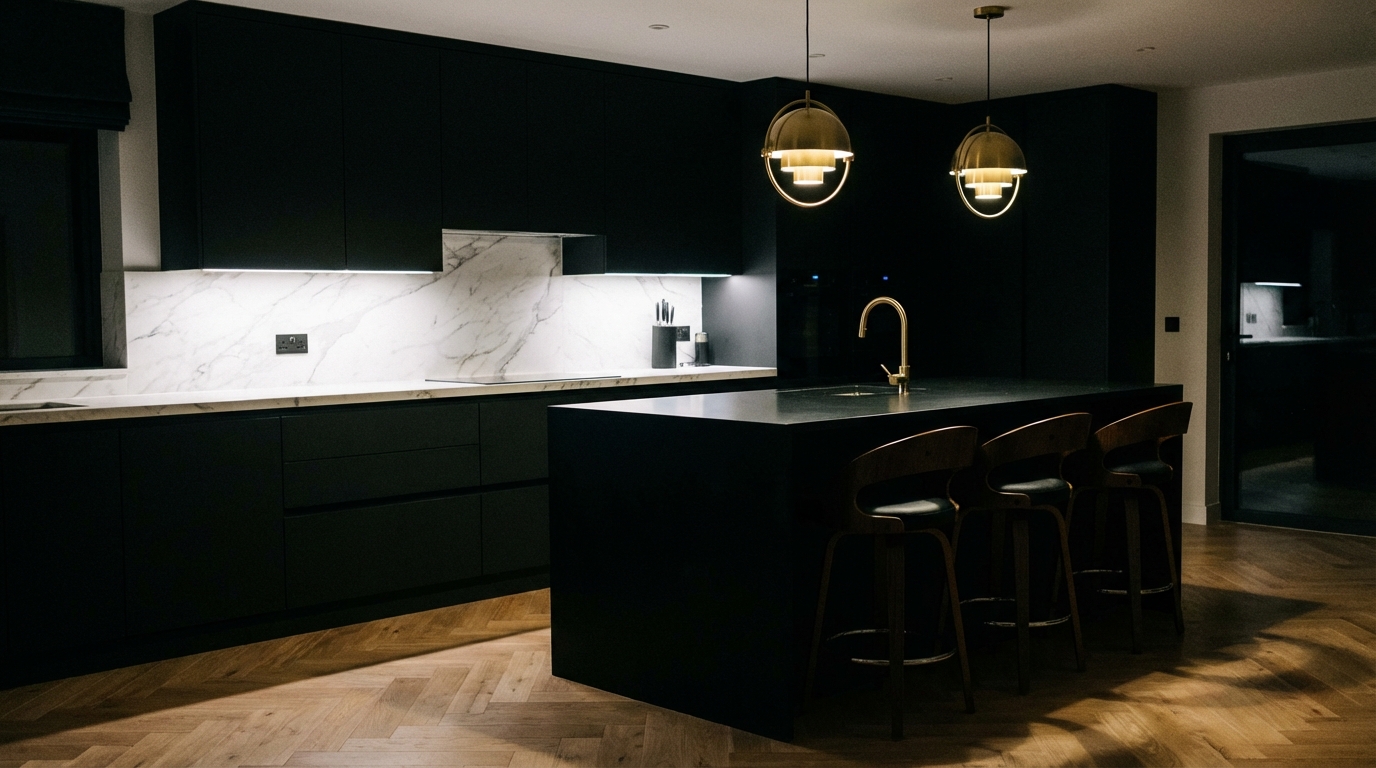
Lampadario in ottone sospeso a 75 cm sopra il tavolo

Parete terracotta che ancora una sala da pranzo elegante

Tavolo allungabile in rovere per pranzi familiari e cene con ospiti

Zona pranzo integrata nel soggiorno con specchio che amplifica la luce
Consigli per Decorare la Sala da Pranzo
Investi in un lampadario sospeso
Il più grande upgrade che puoi fare è sostituire una plafoniera con un lampadario o una sospensione appesa <strong>a 75-85 cm sopra il piano del tavolo</strong>. Crea una pozza di luce calda che attira l'occhio sul tavolo e fa sembrare il cibo appetitoso. Scegli una lampada con paralume color caldo o lampadine a filamento esposte a 2700K — qualsiasi cosa sopra i 3000K dà un bagliore freddo da mensa.
Scegli un tavolo allungabile
Il tavolo allungabile è essenziale nella sala da pranzo italiana: passa da 4 posti quotidiani a 8-10 per il pranzo domenicale o per le cene con gli ospiti. Cerca meccanismi a farfalla o estrazione centrale — i modelli migliori raddoppiano la superficie in meno di 30 secondi. Legno massello (rovere, noce) per durata; evita l'impiallacciato economico.
Una sola parete accent di colore caldo
Un'unica parete accent in terracotta, verde salvia profondo o blu notte ancora istantaneamente la zona pranzo, specialmente negli spazi open dove la stanza ha bisogno di definizione visiva. Dipingi le pareti rimanenti in un <strong>neutro complementare — lino caldo o bianco morbido</strong> — per mantenere lo spazio luminoso. La parete accent dietro il tavolo è la posizione ideale.
Sedie imbottite per lunghe cene
Gli italiani restano a tavola due ore. Sedie imbottite con schienale alto sono molto più comode di sedie in legno rigide, e i rivestimenti sfoderabili in velluto o lino rendono la pulizia facile. Mescola gli stili: un paio di sedie con braccioli alle estremità del tavolo e sedie senza braccioli ai lati creano gerarchia visiva e ospitano più persone quando serve.
Centrotavola basso e permanente
Il centrotavola vive sul tavolo anche quando non c'è un pasto. Un vassoio lungo in legno con candele, un'erba in vaso e un vaso scultoreo dà al tavolo un aspetto finito. Cambia le piante con le stagioni — tulipani in primavera, lavanda essiccata in estate, rami con bacche in autunno, eucalipto in inverno. Il segreto: <strong>niente più alto di 30 cm</strong> così tutti si vedono attraverso il tavolo.
Usa un dimmer sul lampadario
I dimmer sul lampadario centrale sono irrinunciabili. Piena luminosità per i compiti e i giochi da tavolo, metà luminosità per la cena, un quarto per il dopo-cena con il vino. Una singola variazione di intensità crea tre stanze emotive diverse dallo stesso spazio fisico. Installa un dimmer compatibile LED per evitare sfarfallii.
Pareti che creano l'atmosfera
Le pareti attorno al tuo tavolo da pranzo sono lo sfondo di ogni pasto, e meritano più pensiero di una semplice mano di vernice. Parti dal colore: una singola parete accent in verde salvia, blu notte o terracotta calda ancora istantaneamente la zona pranzo, specialmente negli spazi open dove la stanza ha bisogno di definizione visiva. Dipingi le pareti rimanenti in un neutro complementare — lino caldo o bianco morbido — per mantenere lo spazio luminoso.
Per l'arte, salta la tela di produzione di massa. Un gruppo di stampe botaniche incorniciate, una singola fotografia oversize o una collezione di piatti in ceramica fatti a mano creano una parete galleria che stimola la conversazione. Appendi tutto all'altezza degli occhi da seduti — circa 120 cm da terra — poiché i tuoi ospiti vivono queste pareti dalle sedie, non in piedi. Mensole aperte con ceramiche curate e una pianta ricadente è un'altra opzione che aggiunge vita senza impegnarsi in una parete galleria di cui ti stancherai in due anni.

Mise en place e idee centrotavola
Un tavolo ben apparecchiato trasforma un pasto semplice in un evento. Costruisci il tuo look quotidiano attorno a piatti in grès neutro — panna opaca o grigio screziato — che si abbinano a tutto. Stratifica un runner in lino in tono contrastante, aggiungi due candele alte in portacandele in ceramica e posiziona una composizione bassa di verde stagionale al centro. Questo approccio a tre livelli (tessile, luce, natura) funziona tanto per la pasta del martedì quanto per la cena del sabato con gli ospiti.
Per il centrotavola, la permanenza batte la perfezione. Un lungo vassoio in legno che ospita un mix di candele, una piccola erba in vaso e un vaso scultoreo dà al tavolo un aspetto finito anche quando non è previsto alcun pasto. Cambia il verde con le stagioni — tulipani in primavera, lavanda essiccata in estate, rami con bacche in autunno, eucalipto in inverno. Il segreto è mantenere il centrotavola abbastanza basso da permettere a tutti di vedersi attraverso il tavolo: niente più alto di 30 cm.

Illuminazione che lusinga ogni cena
L'illuminazione è l'elemento che più di ogni altro decide il carattere della sala da pranzo. Il cambiamento più radicale che puoi fare è sostituire una plafoniera a soffitto con una sospensione o un lampadario appeso a 75-85 cm sopra il piano del tavolo. Crea una pozza di luce calda che attira l'occhio al tavolo e fa sembrare il cibo appetitoso. Scegli una lampada con paralume dai toni caldi o lampadine a filamento esposto a 2700K — qualsiasi cosa sopra i 3000K getta un bagliore freddo da mensa.
Una sospensione basta per tavoli tondi fino a 120 cm. Per tavoli più lunghi, allinea due o tre sospensioni più piccole distanziate di 60-80 cm. Aggiungi un secondo strato di luce ambientale con applique o una lampada da terra nell'angolo — questo riempie la stanza senza competere con il lampadario. I dimmer sono irrinunciabili: piena luminosità per i compiti e i giochi da tavolo, mezza per la cena, un quarto per il vino del dopo-cena. Con Homeify, puoi visualizzare diversi stili di illuminazione sulla foto della tua sala da pranzo per trovare la lampada giusta prima di comprarla.

Domande Frequenti
Tre decisioni chiave: un lampadario sospeso a 75-85 cm sopra il tavolo, una parete accent di colore caldo, e un tavolo allungabile in legno massello. Aggiungi sedie imbottite per comfort prolungato e un centrotavola permanente basso. Il resto — quadri, tappeto, consolle — è styling che viene dopo queste tre basi.
Per una sala da pranzo e salotto insieme, usa un tappeto sotto il tavolo per definire visivamente la zona pranzo e uno diverso sotto il divano per il living. Il lampadario sopra il tavolo agisce da secondo marcatore. Mantieni una palette cromatica coerente tra le due zone ma varia i materiali (velluto divano, lino sedie) per distinguere le aree senza pareti.
75-85 cm dal piano del tavolo al bordo inferiore del lampadario è l'altezza ottimale per una sala da pranzo. Più alto e la luce si disperde; più basso e ostacola la vista tra commensali. Per tavoli tondi fino a 120 cm basta un lampadario centrale. Per tavoli lunghi oltre 160 cm, allinea due o tre sospensioni più piccole distanziate di 60-80 cm.
Con Homeify, scatta una foto della tua sala da pranzo attuale e testa colori alle pareti, lampadari e disposizioni di mobili in oltre 80 stili in meno di 30 secondi. Prova un'accent terracotta, un lampadario in ottone o un tavolo allungabile prima di comprare qualsiasi cosa.
Questo articolo ti è stato utile?
Scarica
Trasforma qualsiasi stanza con l'intelligenza artificiale — scarica Homeify e inizia a ridisegnare la tua casa gratis.