
Stile Scandinavo
Luce, calore e l'arte del meno — il design nordico che trasforma la tua casa in un luogo di calma, comfort e bellezza autentica.
L'arredamento scandinavo costruisce stanze attorno a luce, hygge e materiali naturali — pareti bianche, rovere chiaro e tessili stratificati che trasformano qualsiasi spazio in un rifugio nordico. Scoprilo nella tua casa con Homeify.
Cos'è lo Stile Scandinavo?
Lo stile scandinavo — o stile nordico — nasce quando un'intera cultura costruisce la propria filosofia di design attorno alla sopravvivenza e alla gioia durante gli inverni più bui del pianeta. Nato nei paesi nordici negli anni '50, parte da un problema pratico: quando la luce del giorno scompare alle 15 per mesi, la tua casa deve compensare con luminosità, calore e comfort. Il risultato sono interni costruiti su pareti bianche che riflettono ogni fotone, pavimenti in legno chiaro che brillano anche nelle giornate grigie, e tessili stratificati che invitano a restare. Al cuore ci sono hygge e lagom — il concetto danese di creare calore, e l'ideale svedese del "quanto basta".
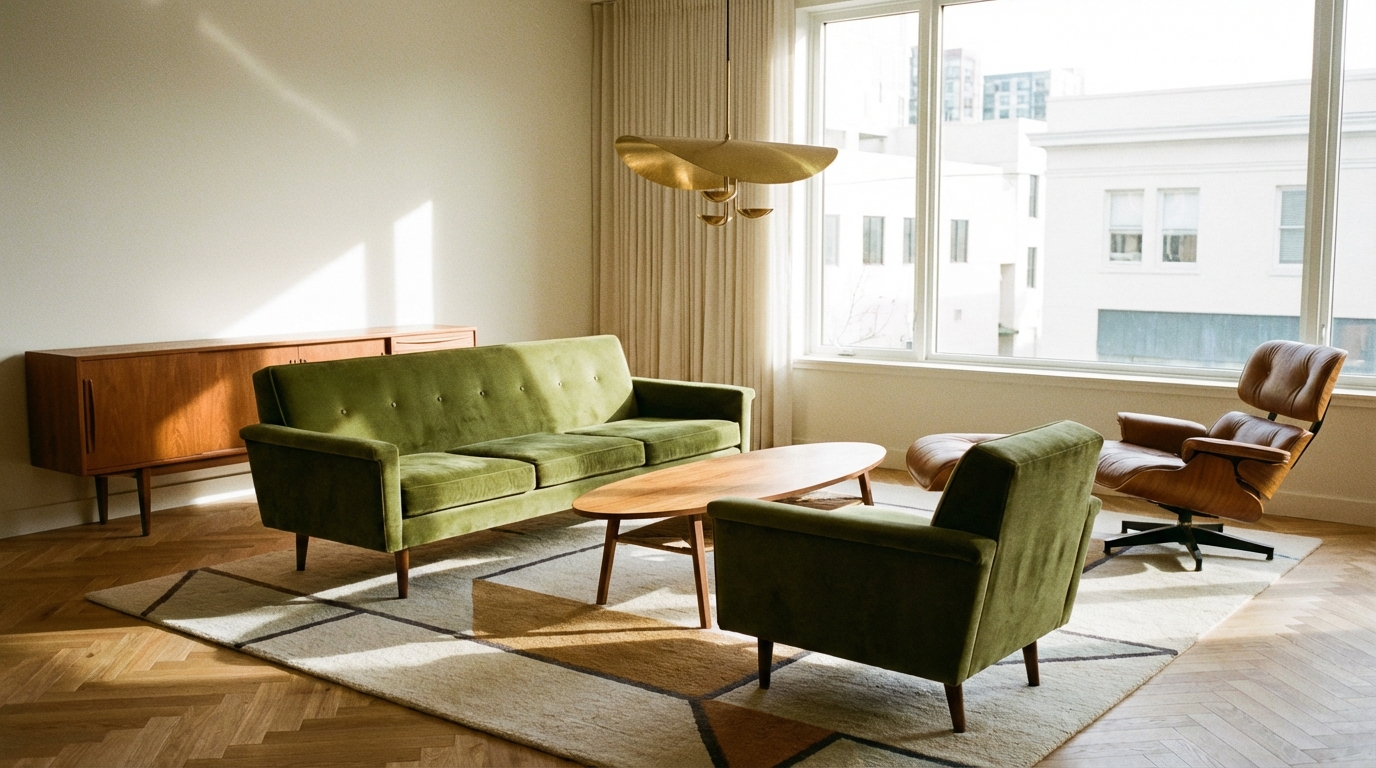
Ciò che rende l'arredamento scandinavo perennemente popolare è la sua quieta adattabilità. La base — pareti bianche, legno chiaro, mobili minimali — funziona in un monolocale milanese come in una casa di campagna toscana. Ma nel 2026, il design nordico evolve oltre la palette tradizionalmente fredda. Toni terrosi caldi stanno sostituendo i bianchi assoluti: verde oliva, terracotta polverosa e prugna si stratificano accanto al classico rovere e lino. Mobili dalle curve morbide — divani arrotondati, tavoli ovali, poltrone dai bordi dolci — ammorbidiscono le linee dritte del design nordico precedente. Il risultato è uno stile scandinavo più caldo, personale, che onora ancora le sue radici nella semplicità, funzione e luce.

Palette Colori Stile Scandinavo
I colori scandinavi partono dalla luce — il bianco come base per massimizzare la luminosità — poi stratificano calore attraverso toni legno e pastelli morbidi. Nel 2026, accenti più profondi come oliva e terracotta si uniscono alla palette nordica classica.
Bianco Puro
Pareti di base (60% della palette) — luminoso e riflettente, massimizza ogni raggio di luce naturale nelle stanze dove il sole è prezioso
Rovere Chiaro
Pavimenti e mobili — legno miele caldo che radica lo spazio naturalmente e si arricchisce di tono nel tempo
Grigio Morbido
Tessili e imbottiture (30% tono medio) — neutro calmante che aggiunge profondità e morbidezza senza peso visivo
Azzurro Polvere
Tocchi d'accento — tono di cielo nordico che porta una delicata freschezza, usato con parsimonia su cuscini o ceramiche
Rosa Cipria
Dettagli morbidi (10% accento) — cuscini, ceramiche e plaid che aggiungono sottile calore e personalità
Verde Foresta
Connessione con la natura — piante vive e stampe botaniche che portano vita negli interni bianchi
Galleria Ispirazione Stile Nordico
Ispirazione stanza per stanza per visualizzare lo stile scandinavo nella tua casa.

Salotto arioso con lino stratificato e pelle di pecora

Letto in rovere chiaro con tessili bianchi e lana

Cucina funzionale con linee pulite e mensole aperte

Angolo hygge con pelle di pecora e luce calda

Zona pranzo minimale con sospensione d'effetto

Ingresso luminoso con ganci funzionali
Consigli di Design Scandinavo
Massimizza la Luce Naturale
Nei paesi nordici, la luce del giorno è scarsa per metà dell'anno — ecco perché il design scandinavo tratta la luce come il materiale più importante della stanza. Usa tende in lino leggero o lascia le finestre completamente libere. Dipingi telai e davanzali in bianco brillante per amplificare i riflessi, e posiziona gli specchi di fronte alle finestre per rimbalzare la luce più in profondità. Ogni superficie dovrebbe lavorare per catturare e diffondere tutta la luce disponibile.
Stratifica le Texture per l'Hygge
L'hygge — l'arte danese di creare calore e convivialità — vive nelle texture che puoi toccare. Drappeggia un plaid in lana grossa sul bracciolo del divano, spargi cuscini in lino dai toni neutri morbidi, e metti una pelle di pecora accanto al letto. La chiave è la stratificazione: ogni tessile aggiunge calore senza disordine visivo. Scegli fibre naturali — lana, cotone, lino — che si ammorbidiscono con l'età e risultano oneste al tatto.
Scegli Mobili Funzionali
Ogni pezzo in una casa scandinava deve guadagnare il suo posto attraverso bellezza e utilità quotidiana. Investi in mobili dalle linee pulite con gambe affusolate in rovere chiaro, betulla o frassino — i legni iconici del design nordico. Evita dettagli ornamentali: lascia che la venatura del legno e la costruzione onesta parlino da soli. Se un pezzo non serve a uno scopo chiaro, non appartiene alla stanza. Lo stoccaggio dovrebbe essere integrato o nascosto — il principio Lagom del 'quanto basta' si applica a tutto.
Porta la Natura in Casa
Le piante sono essenziali, non un ripensamento decorativo. Eucalipto in vaso sul tavolo da pranzo, edera rampicante su una libreria, e un ficus nella zona giorno trasformano gli spazi bianchi in veri ambienti vivi. Nella tradizione nordica, il confine tra interno ed esterno è volutamente sfumato — legno naturale, pietra e verde dentro casa ricordano che la natura non è mai lontana, nemmeno nel profondo di un inverno scandinavo.
Crea Angoli Hygge
Dedica almeno un punto della tua casa al puro comfort — una poltrona da lettura con un plaid morbido, una lampada da terra dai toni caldi e un tavolino per tè e candele. Questo è il tuo angolo hygge, un luogo progettato per rallentare. I migliori angoli hygge sono raccolti e intimi, come un nido dentro la stanza. Raggruppa candele su ogni superficie: i danesi bruciano più candele pro capite di qualsiasi altro popolo, e la luce tremolante è la via più rapida verso l'atmosfera hygge.
Edita Senza Pietà
Lo stile scandinavo celebra ciò che togli, non ciò che aggiungi. Tieni piani, mensole e tavoli per lo più liberi — esponi solo pochi oggetti curati che portano vera gioia o servono uno scopo reale. Nel dubbio, metti via. La bellezza di un interno nordico sta nello spazio respirabile tra gli oggetti, nella calma che nasce dalla semplicità visiva. Nel 2026, questa selezione si estende a toni più caldi — oliva, terracotta e prugna stanno sostituendo i bianchi assoluti, ma il principio resta: meno, ma meglio.
Soggiorno Scandinavo
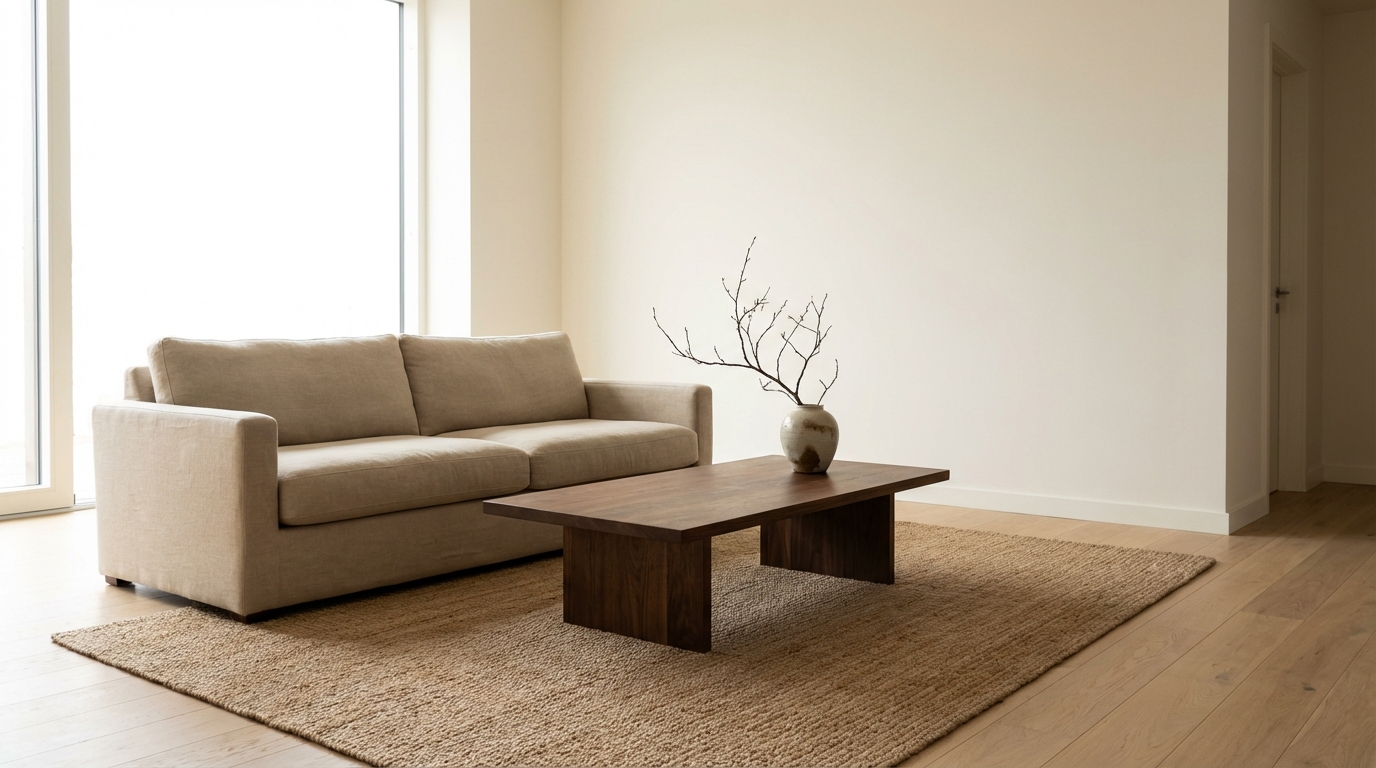
Il soggiorno scandinavo è costruito su luce e spazio respirabile. Parti da un divano bianco o grigio chiaro in lino con linee pulite e gambe affusolate in legno — ancora la stanza senza appesantirla. Aggiungi un tavolino rotondo o dalla forma organica in rovere chiaro, una singola pelle di pecora drappeggiata su una poltrona d'accento, e un tappeto in juta intrecciata per definire l'area seduta. Mantieni il pavimento visibile ai bordi — le stanze scandinave hanno bisogno di spazio aperto per funzionare.
Per l'illuminazione, evita il lampadario singolo a soffitto. Invece, stratifica più fonti calde: una lampada da terra con paralume in lino accanto al divano, una sospensione sopra l'area lettura, e candele raggruppate sul tavolino per l'hygge serale. L'arte a parete dovrebbe essere minimale — una o due stampe di grande formato in cornici semplici, o una singola decorazione tessile. L'obiettivo è un soggiorno che appare sia curato che profondamente confortevole, dove ogni superficie respira e ogni oggetto ha guadagnato il suo posto.

Camera da Letto Scandinava
Una camera da letto scandinava è un rifugio di riposo — ridotta all'essenziale e stratificata di comfort. Il pezzo centrale è una struttura letto in legno chiaro, rovere o betulla, con una testiera semplice a doghe, vestita di biancheria in lino bianco e fresco. Aggiungi profondità con un plaid grigio morbido o rosa cipria piegato ai piedi del letto, e un singolo cuscino dalla texture ricca. I comodini dovrebbero essere bassi e ordinati — una lampada dalla luce calda e un libro sono tutto ciò che serve in superficie.
Mantieni le pareti bianche o nel grigio caldo più tenue per conservare il senso di calma. Le tende dovrebbero essere a tutta altezza in lino naturale — ideali per filtrare la luce dolcemente di giorno e bloccarla per il sonno. Un tappeto rotondo intrecciato accanto al letto aggiunge calore sotto i piedi nelle mattine fredde. La regola per una camera scandinava è semplice: se non ti aiuta a riposare o a trovare pace, non appartiene qui.

Cucina Scandinava
La cucina scandinava è dove funzione e bellezza si incontrano nella loro forma più pura. Scegli mobili bianchi o in legno chiaro con ante a pannello liscio e ferramenta minimale — maniglie in pelle o piccoli pomoli in ottone dalle forme arrotondate. Mensole aperte sostituiscono almeno alcuni pensili superiori, esponendo una collezione curata di tazze in gres, ciotole in ceramica e barattoli in vetro. Mantieni i piani quasi vuoti — un tagliere in legno, un portautensili in ceramica e un'erba aromatica in vaso sono tutto lo styling necessario.
Per le superfici, piani in legno massello o rovere chiaro portano calore ai mobili bianchi, mentre un semplice rivestimento in piastrelle bianche mantiene il look pulito. Una sospensione con paralume in lino o metallo opaco centra lo spazio di lavoro. Un'isola o tavolo alto con sgabelli in rovere crea sia spazio di preparazione che punto pranzo informale. La cucina scandinava funziona perché ogni elemento è scelto per l'uso quotidiano — le ciotole in ceramica sono quelle in cui mangi, i taglieri in legno sono quelli su cui affetti. Nessuna decorazione fine a se stessa.

Domande Frequenti
Lo stile scandinavo è una filosofia di design nordico costruita su luce, materiali naturali e hygge — l'arte danese della convivialità accogliente. Usa pareti bianche per massimizzare la luminosità, mobili in rovere chiaro dalle linee pulite e tessili naturali stratificati per il calore.
Parti da texture stratificate che puoi toccare: plaid in lana, cuscini in lino e tappeti in pelle di pecora. Aggiungi illuminazione calda a 2700K — le candele raggruppate sulle superfici sono essenziali. Crea un angolo comfort dedicato con poltrona da lettura, plaid morbido e lampada dai toni caldi.
La palette classica parte da pareti bianche e pavimenti in rovere chiaro, stratificata con grigio morbido, azzurro polvere e rosa cipria. Nel 2026, toni terrosi più caldi — verde oliva, terracotta polverosa e prugna — si uniscono alla tradizionale palette nordica.
Lo stile scandinavo resta uno degli stili d'arredamento più popolari al mondo nel 2026, evolvendosi con toni terrosi più caldi — oliva, terracotta e prugna — accanto al classico bianco e rovere. Con Homeify, puoi visualizzare varianti nordiche nelle tue stanze in meno di 30 secondi.
Questo articolo ti è stato utile?
Scarica
Trasforma qualsiasi stanza con l'intelligenza artificiale — scarica Homeify e inizia a ridisegnare la tua casa gratis.