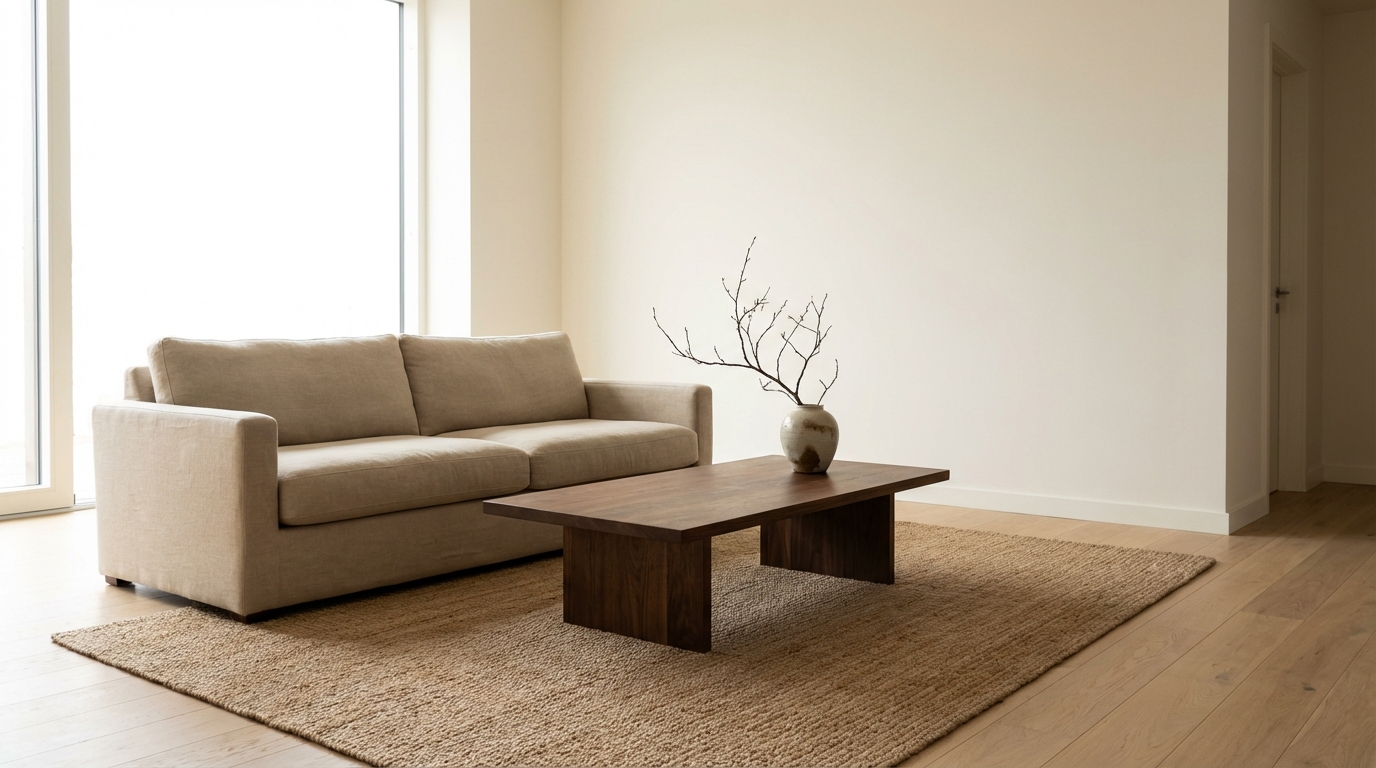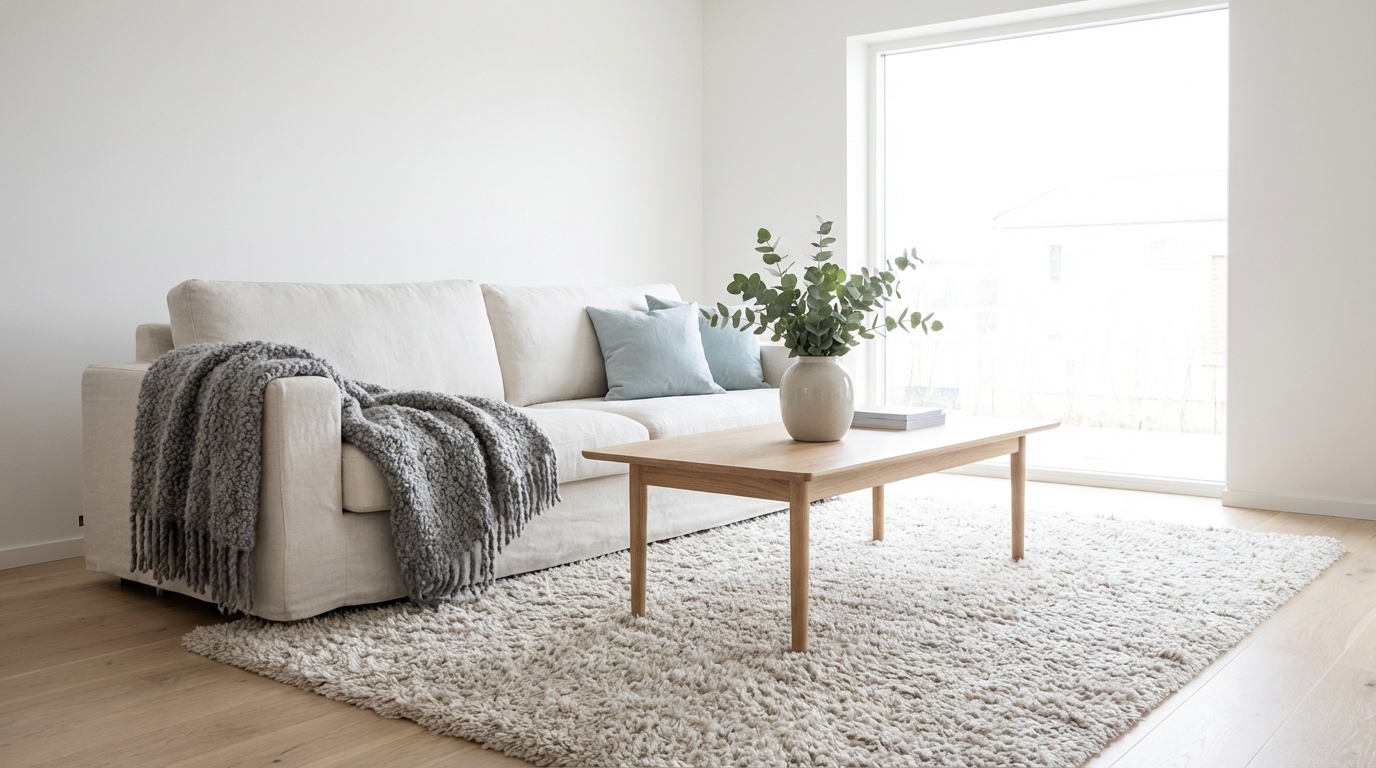

Mid century modern
Ikoniset kalusteet, orgaaniset muodot ja 1950–60-lukujen sisustuksen ajaton vetovoima — retro tyyli joka ei koskaan lakannut olemasta moderni.
Mid century modern on retro sisustus joka yhdistää 1950–60-luvun ikoniset kalusteet, lämpimät tiikin ja pähkinäpuun sävyt sekä rohkeat aksenttivärit ajattomaksi kokonaisuudeksi. Suomessa tätä tyyliä tukee oma muotoiluperintö — Alvar Aalto, Artek, Tapio Wirkkala. Visualisoi mid century modern omassa kodissasi Homeifyn avulla.
Mitä mid century modern on?
Mid century modern on sisustusliike joka syntyi toisen maailmansodan jälkeisessä Yhdysvalloissa ja Pohjoismaissa, kun muotoilijat alkoivat kysyä uudenlaisen kysymyksen: miten kalusteet voisivat olla sekä kauniita että oikeasti elettäviä? Charles ja Ray Eames Kaliforniassa, Eero Saarinen ja Alvar Aalto Suomessa alkoivat samaan aikaan uudelleenmääritellä kalusteiden roolin kodissa. Tuloksena oli vallankumouksellinen lähestymistapa: muotoonpuristettu vaneri, orgaaniset kaaret, kapenevat jalat ja rohkeat värit jotka eivät enää jäljitelleet 1800-luvun eurooppalaista tyyliä. Syntyi sisustus joka näytti tulevaisuudelta — ja joka 70 vuotta myöhemmin näyttää yhä modernilta.
Suomalainen perintö tekee tästä tyylistä erityisen rikkaan. Artek perustettiin Helsingissä vuonna 1935, ja sen Alvar Aallon suunnittelemat Jakkara 60, Paimio-tuoli ja taivutetut puiset kalusteet ovat maailmanlaajuinen mid-century-klassikko. Tapio Wirkkala, Ilmari Tapiovaara ja Kaj Franck jatkoivat tätä ajatusta 1950–60-luvulla. Vuonna 2026 mid century modern kehittyy hillittyihin retro-sävyihin: kirkkaasta sinapista pölyiseen sinappikeltaiseen, kirkkaasta avokadonvihreästä salviaan, ja kestävä vintage-kaluste ohittaa uudet jäljennökset arvossa. Suomalainen koti voi yhdistää mid century modernin skandinaaviseen pelkistykseen luonnollisesti — ne jakavat saman DNA:n, pohjoismaisen funktionalismin joka kunnioittaa puuta ja muotoa yhdessä.

Mid century modernin väripaletti
Mid-century-paletti rakentuu lämpimään kermaiseen perustaan johon kerrostetaan rikasta tiikkiruskeaa. Rohkeat aksenttivärit — sinappikeltainen, poltettu oranssi, avokadonvihreä, liuskekivisininen — saapuvat verhoiluun ja yksityiskohtiin, eivät kokonaisiin seiniin.
Sinapinkeltainen
Verhoilun tunnusomainen aksentti (15 % paletista) — rohkea ja lämmin sävy joka määrittelee mid-century-istuimet ja koristetyynyt neutraaleja seiniä vasten
Tiikinruskea
Lämmin puuperusta (25 % paletista) — rikas tiikki- ja pähkinäpuusyy joka ankkuroi jokaisen huoneen luonnollisella mid-century-lämmöllä
Avokadonvihreä
Retro-aksentti (10 % paletista) — maanläheinen vihreä joka maadoittaa rohkeammat sävyt ja yhdistää sisätilan luontoon
Poltettu oranssi
Energinen tekstiiliaksentti (5 % paletista) — näyttävät matot, valaisinvarjostimet ja taideprintit joihin retro-eloisuus piilotetaan
Kerma
Taustaseinät ja katot (40 % paletista) — lämmin ja kutsuva kangas jolla rohkeat kalusteet ja taide saavat näyttämön
Liuskekivisininen
Viileä kontrasti (5 % paletista) — keraamiset maljakot, abstrakti taide ja koristeelliset esineet tasapainottavat hallitsevia lämpimiä sävyjä
Mid century modern -inspiraatiogalleria
Huone huoneelta -inspiraatio mid century modern -tyyliin — ikonista olohuoneesta retro-keittiöön — jotta näet miltä tyyli voisi sopia omaan kotiisi.

Ikoninen Eames-nojatuoli ja pähkinäpuinen kaapisto

Tiikkilavuode ja retro-kaarivalaisin

Pähkinäpuukeittiö terazzo-pinnoilla

Tiikkiruokailuryhmä Nelsonin bubble-valaisimen alla

Kelluva tiikkikaappi ja geometrinen laatoitus

Pähkinäpuinen kirjoituspöytä ja vaneripöydäntuoli
Mid century modern -sisustuksen vinkit
Panosta yhteen ikoniseen kalusteeseen
Et tarvitse museota — yksi tunnusomainen kaluste ankkuroi koko huoneen. Eames-nojatuoli, Noguchi-sohvapöytä tai Saarinen Tulip -ruokailuryhmä luo välittömästi mid-century-auktoriteettia. Osta paras minkä voit tässä kategoriassa varaa (lisensoitu jäljennös kelpaa), koska kaikki muut voivat olla vaatimattomampia. Yksi ikoninen siluetti kertoo vieraille heti mikä tyyli tässä kodissa asuu. Suomalaisittain: Alvar Aallon Paimio-tuoli tai Jakkara 60 ovat saman tason valintoja ja täysin autenttisia.
Suosi kapenevia ja hiuspinnejaloja
Mid-century-kalusteet istuvat kevyesti — kulmikkaat kapenevat jalat umpipuusta tai hoikat hiuspinnijalat mustasta metallista ovat aikakauden visuaalinen tunnusmerkki. Ne nostavat sohvat, senkit ja sängyt pois lattialta luoden ilmavan, leijuvan vaikutelman. Jos kaluste istuu tasaisesti maassa ilman näkyviä jalkoja, se ei todennäköisesti kuulu mid-century-huoneeseen. Tämä yksi yksityiskohta muuttaa yksinkertaisenkin hyllyn selvästi retron näköiseksi.
Valitse lämpimät puusävyt viileiden sijaan
Tiikki, pähkinäpuu ja ruusupuu ovat mid-century-puun pyhä kolmio. Niiden lämpimät hunajasta suklaanruskeaan kulkevat syyt tuovat rikkautta jota maalatut tai laminoidut pinnat eivät voi vastata. Etsi pähkinäpuista kaapistoa, tiikistä ruokapöytää tai ruusupuisia kelluvia hyllyjä. Vältä viileäsävyisiä puulajeja kuten valkaistu tammi tai saarni — ne lukevat pohjoismaiseksi mid-centuryn sijaan. Budjetin ollessa tiukka, pähkinäpuuviiluinen MDF tarjoaa 90 % ilmeestä.
Käytä rohkeita värejä säästeliäästi ja strategisesti
Sinappikeltainen, avokadonvihreä ja poltettu oranssi ovat mid-century-tunnusvärit — mutta temppu on hillintä. Pidä seinät neutraaleina (kerma, lämmin valkoinen tai pehmeä harmaa) ja anna värin saapua yhden tehosteseinän, verhoilun, koristetyynyjen tai näyttävän maton kautta. Kaksi tai kolme saman rohkean värin kaikua huoneessa luo yhtenäisyyttä ilman kitscheä. Vältä maalaamasta jokaista seinää avokadoksi — aikakauden parhaat sisustukset olivat enimmäkseen neutraaleja hallituilla lämmön purskahduksilla.
Yhdistä orgaaniset ja geometriset muodot
Mid century modern elää jännitteessä orgaanisten kaarien ja geometristen linjojen välillä. Yhdistä pyöreä Noguchi-pöytä suoralinjaiseen sohvaan. Aseta munuaisen muotoinen sohvapöytä kulmikkaan hyllyn viereen. Ripusta tähtipurkautumakello selkeälinjaisen kaapiston yläpuolelle. Tämä virtaavan ja jäsennetyn muodon vuorovaikutus antaa mid-century-huoneille niiden dynaamisen energian — puhdas geometria tuntuu kylmältä, puhtaat kaaret tuntuvat kaoottisilta, mutta yhdessä ne tuntuvat eläviltä.
Kerrosta lämmin valaistus eri korkeuksille
Yksi kattovalaisin latista mid-century-huoneen. Kerrosta sen sijaan valo kolmelle korkeudelle: Nelsonin bubble-riippuvalaisin tai Sputnik-kattokruunu yläpuolelle, kaarilattiavalaisin sohvan viereen silmien tasolle ja messinkinen työpöytävalaisin tai keraaminen pöytälamppu alhaalle. Pysy lämpimissä 2700 K -hehkulampuissa — kultaisessa hehkussa joka saa tiikin ja pähkinäpuun laulamaan. Vältä upotettuja kohdevaloja ja kylmänvalkoisia LEDejä, jotka riisuvat puun lämmöstä.
Mid century modern -olohuone
Mid century modern -olohuone kerää itseensä aikakauden ikoniset muodot. Aloita matalalla sohvalla, jolla on kapenevat puujalat — mieluiten verhoiltuna sinapinkeltaisella, avokadonvihreällä tai lämpimän oranssilla kankaalla. Sen eteen Noguchi-tyylinen sohvapöytä pyöreällä lasitasolla tai munuaisen muotoisella puutasolla. Nurkkaan Eames-nojatuoli ja ottomaani pähkinäpuulla ja tummalla nahalla — jos budjetti ei kestä alkuperäistä, lisensoitu jäljennös tai suomalainen vaihtoehto (Artekin kalustovalikoima) toimii yhtä hyvin tyylillisesti.
Pähkinäpuinen kaapisto tai matala sivupöytä sivuseinälle on mid-century-olohuoneen tärkein säilytyskaluste. Sen päälle asetat keraamisia maljakoita liuskekivisinisellä, kuparin sävyisen pöytälampun ja pari abstraktia taideteosta. Seinälle säteilevä auringon seinäkello tai tähtipurkautumakuva — yksi iso teos toimii paremmin kuin galleriaseinä tässä tyylissä. Valaistus: Nelsonin bubble-riippuvalaisin tai Sputnik-kattokruunu keskelle, kaarivalaisin messinkijalalla sohvan viereen ja pieni keraaminen pöytälamppu sivupöydälle. Värien sääntö: seinät kermaa tai lämmintä valkoista, värit tulevat verhoilusta ja taiteesta.

Mid century modern -makuuhuone
Mid century modern -makuuhuoneen ytimessä on tiikistä tai pähkinäpuusta tehty lavuode, jolla on kapenevat jalat ja mahdollisesti muotoonpuristettu vanerinen sängynpääty. Puke se valkoisella tai luonnonvalkoisella pellavavuodevaatteistolla ja kerrosta päälle sinapinkeltainen tai poltetun oranssi villahuopa — se on aikakauden tunnusomaisin yksityiskohta makuuhuoneessa. Yöpöydät voivat olla epäparisia mutta pysyvät samassa puusävyssä: toinen pähkinäpuinen, toinen tiikkinen.
Valaistukseen kaariseva lattiavalaisin messinkijalalla sängyn viereen on ikoninen mid-century-valinta. Lisää pienet keraamiset pöytälamput liuskekivisen sinisen tai avokadonvihreän sävyissä yöpöydille. Seinälle yksi suurikokoinen vintage-juliste, abstrakti maalaus tai ilmakuva Helsingistä aikakauden katsauksessa. Matto: orgaanisen muotoinen shag-matto villasta tai pyöreä juuttimatto. Verhot pellavasta luonnonvalkoisina lattiaan saakka. Kaappimaailma: kelluva pähkinäpuinen senkki muutamilla Kaj Franckin tai Tapio Wirkkalan lasimaljakoilla. Sääntö: väri tulee tekstiileistä ja pienistä esineistä, seinät pysyvät neutraaleina jotta puun lämmin sävy saa loistaa.

Mid century modern -keittiö
Mid century modern -keittiö yhdistää lämpimän puun 1960-luvun optimistisiin väreihin. Valitse pähkinäpuiset tai tiikkipintaiset tasakaapit ilman koristeita tai paneelointia — aivan sileät ovet vetiminä messinki- tai matta-mustat pyöreät nupit. Työtasoksi terazzo (suositeltu 2026-päivitys), tummasävyinen kivi tai pähkinäpuinen puutyötaso. Välitila voi olla valkoista tai kermanväristä laattaa, mutta koristehelmuilu kuten yksi rivi pieniä geometrisiä mosaiikkilaattoja ruukkiosassa tuo ajalle uskollisen aksentin.
Ruokailusaari tai -ryhmä: tiikkinen pöytä Saarinenin Tulip-tuoleilla valkoisilla istuimilla — tai suomalainen Artekin pöytä vanhoilla Aalto-tuoleilla, jos haluat kotimaisen linjan. Riippuvalaisimina Nelsonin bubble, Sputnik tai suomalaiset Louis Poulsenin Artichoke-tyyliset valaisimet. Aksenttiväri yhdessä paikassa — avokadonvihreä jääkaappi, sinapinkeltaiset baarijakkarat tai poltetun oranssin kattilat avohyllyllä. Vältä liian monta väriä: yksi vahva, yksi hillitty, sitten neutraalit. Lattiasta joko pähkinäpuuparketti, patinoitua betonia tai vintage-linoleumia geometrisessa kuviossa. Mid-century-keittiö toimii siksi, että se juhlii samanaikaisesti sekä aikakauden ikonisia muotoja että päivittäistä käytännöllisyyttä.

Usein kysytyt kysymykset
Mid century modern on sisustusliike 1940-luvulta 1960-luvulle, jota määrittelevät selkeät linjat, orgaaniset kaaret ja saumaton toiminnan ja muodon yhdistelmä. Ajattele kapenevia jalkoja, muotoonpuristettua vaneria ja rohkeita värejä lämpimiä puusävyjä vasten — kalusteita jotka on suunniteltu olemaan sekä kauniita että elettäviä. Suomalainen mid-century-perintö — Alvar Aalto, Tapio Wirkkala, Ilmari Tapiovaara — on olennainen osa tätä maailmanlaajuista tyyliä.
Etsi kapenevia jalkoja, orgaanisia kaaria ja lämmintä puuta — erityisesti tiikkiä ja pähkinäpuuta. Ikonisia kappaleita ovat Eames-nojatuoli, Saarinenin Tulip-pöytä ja Nelsonin penkki. Suomalaisia vastineita: Aallon jakkara 60, Paimio-tuoli ja Domus-tuoli. Vetimet ovat minimaaliset, siluetit veistoksellisia, ja materiaalit yhdistävät puuta muottiin puristettuun muoviin tai nahkaan.
Paletti yhdistää lämpimät neutraalit (kerma, karamelli, oliivi) rohkeisiin aksenttiväreihin — sinappikeltainen, poltettu oranssi, turkoosi ja avokadonvihreä. Seinät pysyvät neutraaleina kun kalusteet ja taide tuovat värikontrastin. Vuonna 2026 näiden retro-sävyjen hillityt versiot ovat trendikkäitä.
Mid century modern on yksi kestävimmistä tyyleistä vuonna 2026, ja hillittyjen retro-sävyjen sekä kestävän vintage-kaluston kiinnostus kasvaa. Homeifyn avulla visualisoit klassisen 60-luvun, modernin retron tai huonekohtaiset versiot omassa tilassasi alle 30 sekunnissa.
Oliko tästä artikkelista apua?
Lataa
Muunna mikä tahansa huone tekoälyn avulla – lataa Homeify ja aloita kotisi sisustussuunnittelu ilmaiseksi.