
Entryway Ideas
Tiles, lighting, rugs, and storage — practical entryway ideas that make your hallway, foyer, or corridor both beautiful and organized.
The best entryway ideas combine durable tile or a washable rug, layered lighting, and smart storage within arm's reach of the door. With Homeify, test tile options, wall colors, and furniture layouts on a photo of your own entrance before you buy anything.
Why Your Entryway Deserves Real Attention
Your entrance handles more traffic per square meter than any other room in your home — yet most people decorate it last, if at all. The result? A pile of shoes, a bare wall, and car keys lost somewhere on the counter.
A deliberate entryway design solves two problems at once. First, it creates a landing pad that absorbs the daily chaos: coats, bags, shoes, mail, and keys all get a designated spot. Second, it sets the visual tone for the rest of your home. Guests form their impression in the first 7 seconds after walking through your door — that's roughly the time it takes to scan a hallway.
The good news: you don't need a grand foyer to make it work. Even a 1-meter stretch of corridor can hold a floating shelf, a row of hooks, and a mirror. The trick is treating your entryway like a designed space rather than a leftover gap between the front door and the living room.
In 2026, the strongest entryway trends lean toward warm earth tones — terracotta, sage, and sand — paired with natural materials like rattan, oak, and linen. Bold wallpaper on a single wall (or the ceiling) is replacing the all-white hallway. And smart storage — tilt-front shoe cabinets, bench seats with hidden compartments — is making small entrances work harder than ever.

Entryway Color Palette
Six versatile entryway palettes — from airy neutrals to statement walls.
Warm White
A slightly warm off-white that bounces light around narrow hallways and makes the space feel twice as wide
Sage Green
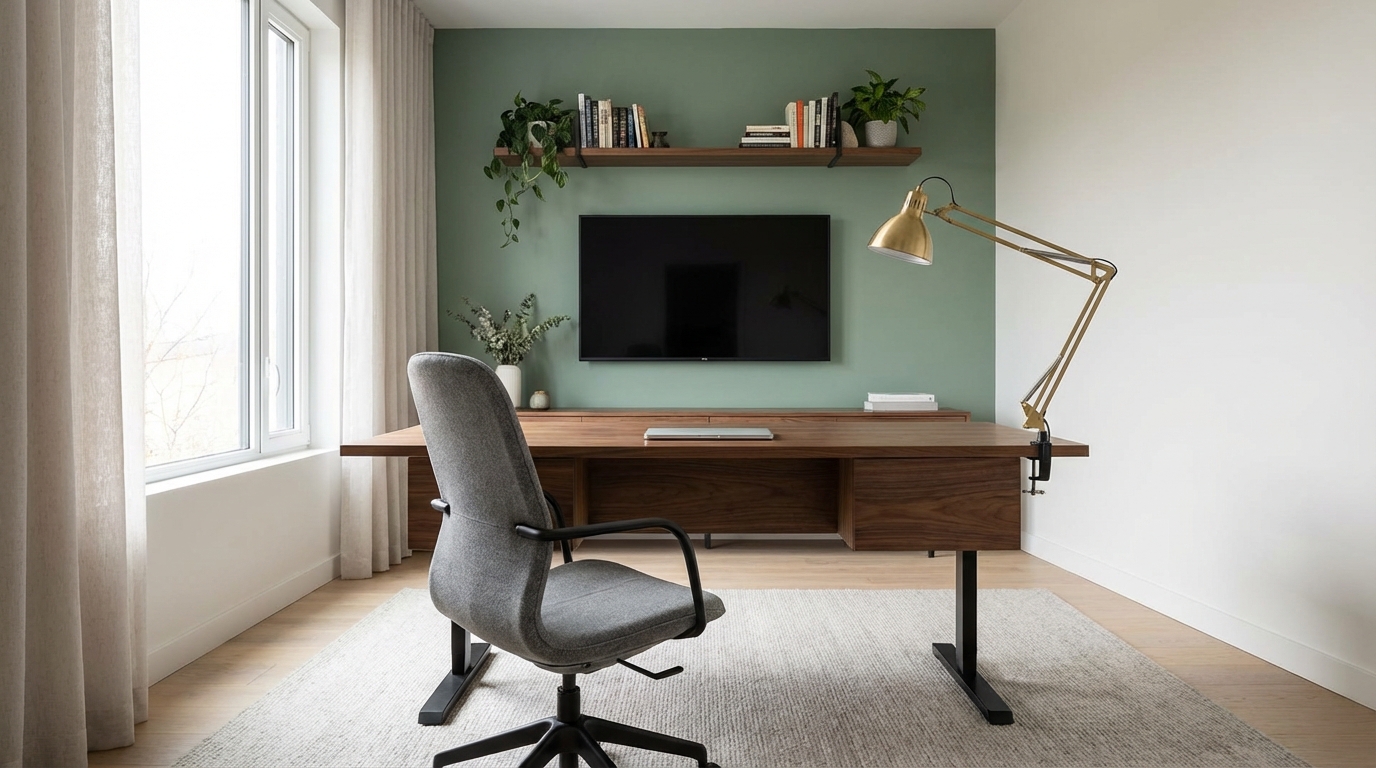
A muted green that brings the outdoors in — pair it with natural wood hooks and a woven bench for a calming welcome
Terracotta
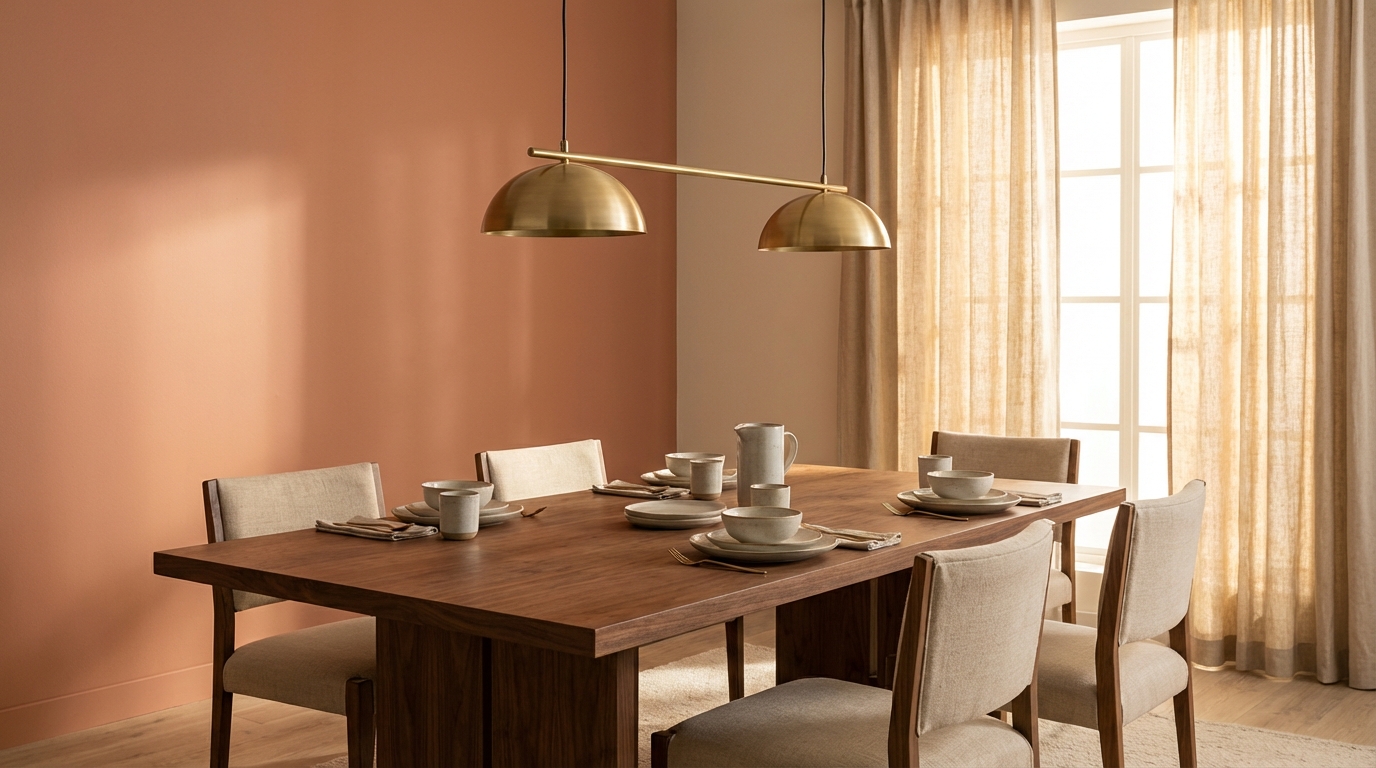
Rich and earthy, terracotta on a single accent wall turns an ordinary entrance into a Mediterranean-inspired statement
Charcoal
A deep charcoal feature wall behind a brass-framed mirror creates drama without closing the space in
Dusty Rose
Soft and unexpected, dusty rose works beautifully with brass hardware and light oak furniture for a feminine touch
Navy Blue
A classic choice for paneled wainscoting — navy adds depth and pairs perfectly with white trim and gold accents
Entryway Design Inspiration
Entryway layouts that balance style and function, from narrow corridors to open foyers.

Floating shelf with hooks keeps essentials at arm's reach

Patterned entryway tile turns a narrow corridor into a design moment

Round mirror above a slim console with an entryway rug for warmth

A bench with baskets and a natural rug adds warmth and storage

Bold wallpaper paired with a pendant light creates instant personality

Even 60 cm of wall space can hold a mirror, hooks, and a key tray
Entryway Design Tips
Choose the Right Entryway Tile
Durable floor tile sets the tone the moment the door opens. Porcelain or encaustic cement tiles handle heavy foot traffic and wet shoes without staining. A patterned tile in a small entryway creates a visual zone that separates the entrance from the rest of the home — no walls needed. Choose a matte finish for slip resistance and keep grout lines tight for easy cleaning.
Anchor with an Entryway Rug
A well-chosen entryway rug protects your flooring and defines the landing zone. Low-pile jute, flatweave wool, or washable cotton runners work best because they handle mud and moisture. Size it so it covers the area directly in front of the door with at least 15 cm of bare floor on each side. For narrow hallways, a runner in a warm neutral grounds the space and absorbs sound.
Layer Your Entryway Lighting
Skip the overhead fluorescent and install a wall sconce or pendant at eye level. Warm light between 2700K and 3000K makes a hallway feel inviting, not clinical. A motion-sensor LED strip along the baseboard adds both safety and atmosphere for nighttime arrivals. In windowless entries, a backlit mirror doubles as both a light source and a style statement.
The Console Trick
A slim console table — no deeper than 30 cm — fits even the narrowest hallway. Place a tray for keys and sunglasses on top, a basket for scarves underneath, and lean a mirror behind it. You've just created a functional entryway station in 30 cm of depth.
Hidden Shoe Storage
Nothing kills entryway style faster than a pile of shoes. A closed shoe cabinet (tilt-front models are only 17 cm deep) keeps up to 12 pairs invisible. If you prefer open storage, use matching woven baskets on a low shelf — they contain the chaos while adding texture.
Wallpaper the Fifth Wall
The ceiling is the most overlooked surface in a hallway. A geometric or botanical wallpaper on the ceiling draws the eye up, makes low ceilings feel taller, and gives visitors something unexpected to notice. Pair it with a simple pendant light for maximum impact.
Entryway Lighting & Mirrors: Making Small Spaces Feel Bigger
The two fastest upgrades for any entryway are light and reflection. A single well-placed mirror doubles the perceived depth of a narrow corridor — and if you position it opposite a window or light source, it multiplies natural light across the space.
For mirrors, go large: a full-length leaning mirror or an oversized round mirror (80 cm diameter or more) makes a bigger impact than a small decorative one. Place it at eye level on the wall you face when entering so it catches your reflection immediately.
Lighting needs layers. Replace a single ceiling fixture with a combination of a pendant or wall sconce for ambient light, plus an LED strip along the baseboard for accent. Aim for bulbs at 2700-3000K — anything above 4000K feels like a hospital corridor. If your hallway lacks natural light entirely, a backlit mirror with integrated LED serves double duty.

Entryway Storage That Actually Works
The biggest challenge in entryway design isn't aesthetics — it's containing the daily avalanche of stuff. The solution is giving every item a home within arm's reach of the front door.
Start with a hook rail at 160 cm height for coats and bags. Below that, a slim bench (40-45 cm high) lets you sit to remove shoes — critical in homes where outdoor shoes come off at the door. Under the bench, use matching baskets or a closed shelf to store shoes out of sight.
For keys, mail, and small items, a wall-mounted shelf with built-in tray at 120 cm catches everything. Mount it beside the door, not across the room, so you grab your keys in one motion as you leave.
In apartments where the entryway doubles as a corridor, vertical is your friend: a pegboard system, a tall narrow bookshelf, or stacked cubbies use wall height instead of floor space. The goal is zero items on the floor.

Color & Texture: Setting the Mood from the Door
Color is the fastest way to transform an entryway — and the cheapest. A single accent wall in a saturated shade takes one afternoon and under €50 of paint, but it completely redefines the space.
The 2026 palette for hallways leans warm and natural: terracotta, clay, sage green, and mushroom are replacing the cool grays of previous years. If you love earthy neutrals, look at how they work in a beige living room — the same warmth translates beautifully to an entryway. If you're hesitant about bold color, start with the inside of the front door — it's a contained surface that creates a surprise moment when you close it behind you.
Texture adds the depth that flat paint can't. A woven jute runner grounds the floor and absorbs sound. Rattan or wicker baskets soften hard lines and add warmth — a signature of japandi style that works perfectly in narrow hallways. Wood paneling on the lower third of a wall (90 cm high) protects against scuffs while adding architectural interest.
For renters who can't paint, removable wallpaper is a game-changer. A single panel of botanical or geometric print behind a console table creates a focal point that peels off cleanly when you move. Pair it with a plant — a snake plant or pothos thrives in low-light hallways — and the entrance feels alive rather than transitional.

Frequently Asked Questions
Patterned encaustic cement tiles or large-format porcelain in a matte finish are the most popular entryway tile ideas. They handle heavy foot traffic, resist moisture from wet shoes, and create a visual zone that separates the entrance from adjacent rooms. For small entryways, a continuous tile from the doorstep through the hallway makes the space feel longer.
A low-pile jute, flatweave wool, or washable cotton runner handles daily wear and mud without losing shape. Size it so the rug covers the landing zone directly in front of the door. Warm neutrals like sand and oatmeal are the most forgiving, while a patterned runner in a narrow hallway adds personality without showing dirt.
Replace a single overhead fixture with layered lighting at 2700-3000K: a wall sconce or pendant for ambient warmth, plus an LED strip along the baseboard for nighttime safety. In windowless entries, a backlit mirror doubles as both task light and a focal point that makes the space feel larger.
With Homeify, snap a photo of your current entryway and see it transformed into 80+ design styles in under 30 seconds. Test wall colors, tile options, furniture layouts, and lighting — all from your phone, before spending a cent.
Was this article helpful?
Download Homeify Free
Transform any room with AI — download Homeify and start redesigning your home for free. The AI room design app trusted by thousands on iOS.